723 Cox Creek Parkway, Florence, AL 35630


Your dentist just told you that you need a dental crown. Now you’re wondering what that actually means — and whether it’s really necessary. This is one of the most common concerns we hear from patients in Florence, AL. Understanding why your dentist recommends a crown helps you feel confident about moving forward with care. At Johnson and Mahan Dental Care, we believe informed patients make better decisions about their oral health.
What Is a Dental Crown and Why Does It Matter in Florence?
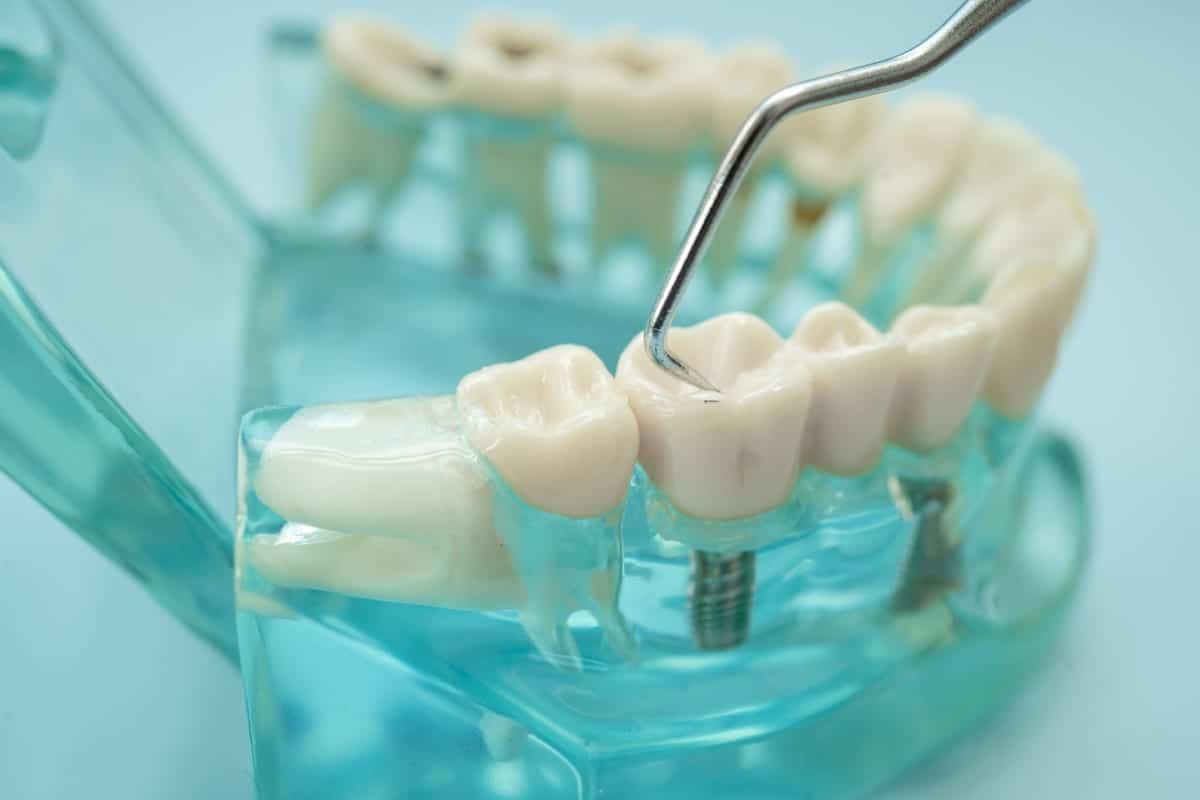
A dental crown is a tooth-shaped cap placed over a damaged or weakened tooth. It restores the tooth’s shape, size, strength, and appearance. Crowns cover the entire visible portion of the tooth above the gum line. They are one of the most reliable and long-lasting restorations in modern dentistry.
Your dentist doesn’t recommend a crown casually. There are specific, well-established clinical reasons for this recommendation. Each reason relates to protecting your tooth from further damage or failure. Knowing these reasons helps you understand the value of the treatment.
Here’s why your dentist may say you need a crown — and why this recommendation is rooted in clinical evidence, not guesswork. This is the foundation of what patients across Florence, AL deserve to know.
Common Clinical Reasons Your Dentist Recommends a Crown
There are several distinct situations where a crown becomes the best — and sometimes only — viable solution. Each one involves a tooth that can no longer function safely without added protection. Let’s walk through the most common scenarios.
Cracked or Fractured Tooth
A cracked tooth is more serious than it sounds. Cracks can spread deeper into the root over time. Biting pressure accelerates this process every single day. A crown holds the tooth together and prevents the crack from worsening.
Cracks don’t always cause obvious pain at first. You might feel sensitivity to temperature or discomfort when chewing. These are early warning signs that shouldn’t be ignored. A crown placed early can save the tooth entirely.
Large Cavity or Failing Large Filling
Sometimes a cavity is simply too large for a standard filling to fix. When decay removes too much tooth structure, there isn’t enough healthy tooth left to support a filling alone. The same applies to an old, large filling that has cracked or worn down. In these cases, a crown is the structurally sound solution.
Placing another large filling in an already weakened tooth often leads to failure. The tooth may crack or break under normal biting force. A crown distributes that force evenly and protects what remains of the natural tooth. This approach preserves your tooth for many more years.
After a Root Canal
A tooth that has undergone Root Canal Treatment Florence patients receive becomes more brittle over time. The procedure removes the pulp, which supplied nutrients and moisture to the tooth. Without that internal support, the tooth becomes fragile and prone to fracture. A crown placed after root canal treatment protects the tooth and restores full function.
Skipping the crown after a root canal is a common — and costly — mistake. The treated tooth may crack or break without that protective covering. In many cases, the tooth then cannot be saved at all. Your dentist recommends a crown here because it significantly extends the life of the tooth.
Broken or Missing Cusp
A cusp is one of the pointed chewing surfaces on your back teeth. Cusps can break from decay, trauma, or biting something hard. When a cusp breaks off, the remaining tooth is uneven and vulnerable. A crown restores the full shape of the tooth and prevents further breakage.
A broken cusp may not cause immediate pain. However, the sharp edge can irritate your tongue or cheek. The exposed tooth structure is also at higher risk for decay. Acting quickly with a crown protects both comfort and long-term tooth health.
Benefits of Getting a Dental Crown When Your Dentist Recommends One
Many patients wonder if they can delay or skip a recommended crown. In most clinical situations, waiting makes the problem worse — and more expensive. Here are the key benefits of following through with your dentist’s crown recommendation:
- Protects a weakened tooth from fracture or complete loss
- Restores full chewing function so you can eat comfortably again
- Prevents further decay by sealing off the damaged area
- Extends the life of the tooth by years or even decades
- Improves the appearance of a discolored, misshapen, or broken tooth
- Supports surrounding teeth by maintaining proper bite alignment
Crowns also serve a role in Cosmetic Dentistry Florence patients seek. They can improve the color and shape of a tooth that bothers you aesthetically. When function and appearance both need improvement, a crown delivers both in a single restoration.
What to Expect During Your Crown Appointment in Florence
Getting a crown typically requires two visits to our Florence office. Here’s a simple breakdown of the process:
- Examination and preparation: Your dentist evaluates the tooth, removes decay, and shapes it to fit the crown.
- Impressions: A mold or digital scan captures the exact shape of your prepared tooth and surrounding teeth.
- Temporary crown: A temporary crown protects your tooth while the permanent one is being made.
- Permanent placement: At your second visit, the custom crown is checked for fit, adjusted if needed, and cemented into place.
Modern crowns are made from materials like porcelain, ceramic, or zirconia. These materials mimic the natural look of tooth enamel closely. Most patients find the result both functional and natural-looking. The process is straightforward and completed with your comfort in mind.
At Johnson and Mahan Dental Care, we walk every patient through each step before we begin. You’ll never feel rushed or uninformed in our Florence office. Our goal is to make sure you understand exactly what’s happening — and why.
Should You Get a Second Opinion?
It’s completely reasonable to want a second opinion about a crown recommendation. Dentistry is not one-size-fits-all. However, the clinical reasons listed above are well-supported and widely accepted across the dental profession. If two dentists independently recommend a crown, that’s a strong indicator the treatment is genuinely needed.
Ask your dentist to show you the X-rays or explain the specific reason for the recommendation. A good dentist will always be transparent about their clinical findings. At Johnson and Mahan Dental Care, we welcome those conversations. We want you to feel fully confident before any treatment begins.
Conclusion: Understanding Your Crown Recommendation in Florence
Hearing that you need a dental crown can feel overwhelming at first. But in nearly every case, the recommendation exists to protect your tooth — not just to recommend a procedure. Cracked teeth, large failing fillings, post-root-canal protection, and broken cusps are all legitimate clinical reasons a crown becomes necessary. Acting sooner rather than later typically leads to better outcomes and preserves your natural tooth longer. The team at Johnson and Mahan Dental Care in Florence, AL is here to explain every step and answer every question you have. Book Now to schedule your appointment with our team.
Frequently Asked Questions
How do I know if I really need a crown or just a filling?
Your dentist determines this based on how much healthy tooth structure remains. If decay or damage has destroyed too much of the tooth, a filling won’t hold reliably. A crown is recommended when the tooth needs full coverage to function safely and avoid fracture.
How long does a dental crown last?
With proper care, most dental crowns last between 10 and 15 years — and often longer. Good oral hygiene, regular dental visits, and avoiding habits like grinding or chewing ice help extend the lifespan of your crown significantly.
Is getting a dental crown painful?
The procedure is performed under local anesthesia, so you should feel little to no discomfort during treatment. Some sensitivity around the treated tooth is normal in the days following placement. This typically resolves on its own within a short period.
Can a crown fall off, and what should I do if it does?
Crowns can occasionally loosen or come off, especially older ones. If your crown falls off, keep it safe and contact your dentist promptly. Avoid chewing on that side until the crown is re-cemented or replaced by your dental team.
Do crowns look natural?
Yes — modern crowns made from porcelain or zirconia closely match the color and translucency of natural teeth. Your dentist will match the shade to your surrounding teeth so the crown blends in seamlessly with your smile.