723 Cox Creek Parkway, Florence, AL 35630

What Are Dental Sealants and How Do They Work?
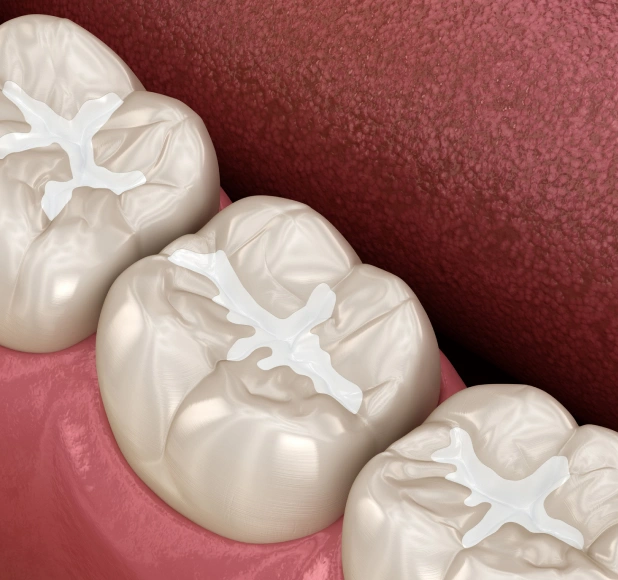
Dental sealants are thin, durable coatings applied to the chewing surfaces of your molars and premolars. These back teeth naturally have deep grooves and pits that can trap food and bacteria, making them more prone to decay. By covering these areas, sealants create a smoother, easier-to-clean surface that reduces your chances of developing cavities. While they are strong and reliable, sealants should be checked during routine dental visits to ensure they remain in good condition and continue providing protection.
Why Dental Sealants Are a Smart Choice
Adding sealants to your preventive care routine offers extra protection against cavities, especially in hard-to-reach areas where brushing and flossing may not always be enough. They are highly recommended for:
- Children and Teens: Sealants are most effective when placed on permanent molars shortly after they erupt, usually around age six. They help shield teeth during the cavity-prone years of childhood and adolescence.
- Adults: Even if you’ve never had a cavity, deep grooves in your teeth can still be vulnerable. Sealants provide extra defense and can help you avoid future dental work.
- Young Children with Baby Teeth: In certain cases, sealants may be recommended for primary teeth—particularly when children have deep grooves and a higher risk of decay. Applying sealants can provide extra protection during these vulnerable early years.
The Sealant Application Process
Getting dental sealants is a simple, pain-free procedure that usually takes just a few minutes per tooth. Here’s what to expect:
Cleaning the Tooth
The tooth is thoroughly cleaned to remove any food particles or plaque from the grooves and pits.
Drying the Area
The tooth is dried completely, and a cotton roll or small barrier is placed around it to keep it dry during the process.
Preparing the Surface
A gentle etching solution is applied to the tooth. This roughens the surface slightly, which helps the sealant bond better.
Rinsing and Drying Again
After the etching solution is rinsed away, the tooth is dried once more to ensure optimal sealant adhesion.
Applying the Sealant
A thin layer of sealant is carefully painted onto the grooves of the tooth.
Hardening the Sealant
The sealant is then allowed to harden—either naturally or with the help of a special curing light.
Maintain Your Sealants and Protect Your Smile
To make the most of your dental sealants, it’s important to stick to a strong oral hygiene routine. Brush and floss every day, avoid overly sugary snacks, and come in for regular dental visits with Johnson and Mahan Dental Care. Sealants are a smart, affordable way to reduce the risk of cavities and keep your teeth strong and healthy for years to come. If you're in Florence, AL, contact us today to schedule your appointment, or learn more by calling 256-766-3260.