723 Cox Creek Parkway, Florence, AL 35630


If you have jaw pain, clicking sounds, or persistent headaches, you may be wondering what happens during your TMJ diagnosis appointment in Underwood-Petersville. Many patients feel anxious simply because they do not know what to expect. Understanding the diagnostic process can ease that worry. At Johnson and Mahan Dental Care, we walk you through every step clearly and carefully.
TMJ stands for temporomandibular joint. This joint connects your lower jaw to your skull. When it malfunctions, it causes a range of uncomfortable symptoms. A proper diagnosis is the first — and most important — step toward relief.
What Is TMJ and Why Diagnosis Matters in Underwood-Petersville
TMJ disorders affect the jaw joint and the surrounding muscles. Symptoms can include jaw pain, facial soreness, difficulty chewing, and ear discomfort. Some patients also experience locking of the jaw. These signs can overlap with other conditions, which makes accurate diagnosis essential.
In Underwood-Petersville, many residents deal with these symptoms without realizing a dentist can help. A formal TMJ evaluation identifies the root cause of your discomfort. Without a proper diagnosis, treatment may address only the symptoms and not the underlying issue. That is why scheduling a dedicated evaluation appointment matters so much.
TMJ disorders can range from mild muscle tension to joint damage. Early diagnosis leads to better outcomes. It also helps your dental team create a treatment plan tailored specifically to you.
The Clinical Examination: What Your Dentist Checks First
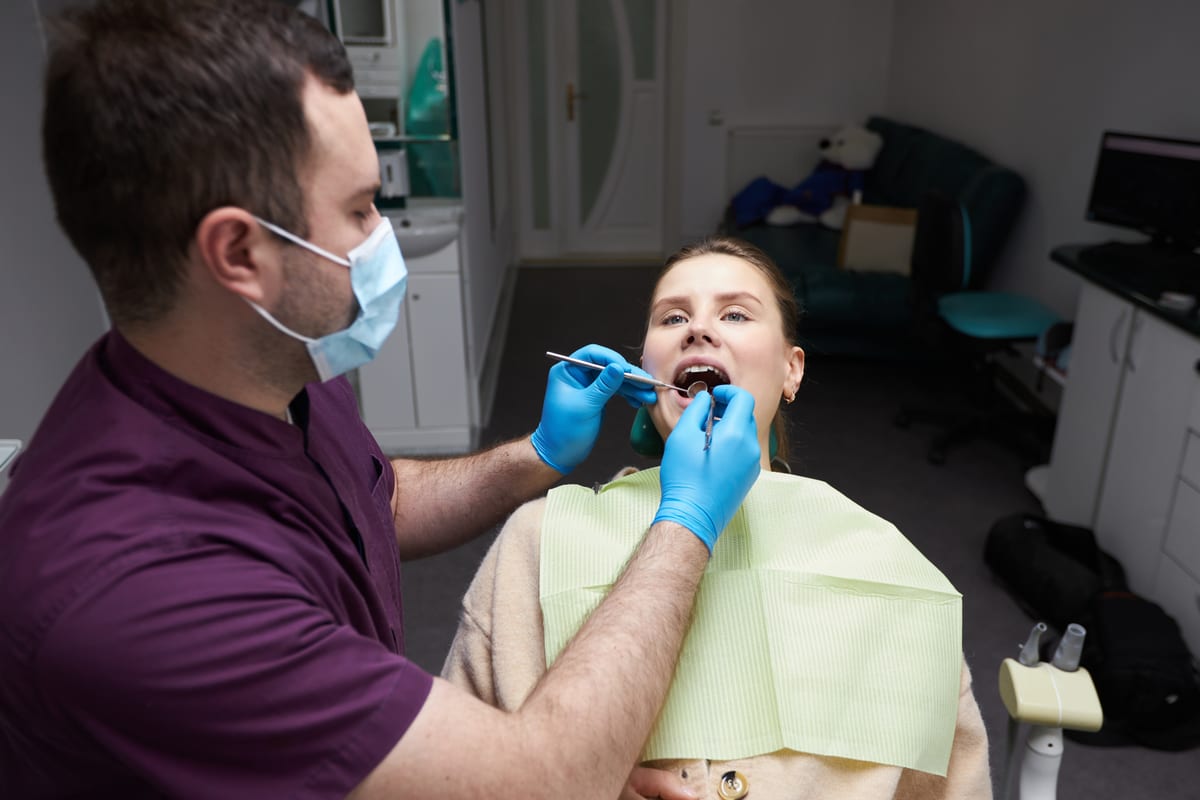
Your TMJ diagnosis appointment in Underwood-Petersville begins with a thorough clinical exam. Your dentist will ask detailed questions about your symptoms. They will want to know when the pain started, how often it occurs, and what makes it better or worse.
Next, your dentist physically examines the jaw area. They gently press on the joint and surrounding muscles to identify tenderness. They also listen and feel for clicking, popping, or grinding during jaw movement. These physical findings provide important early clues about the nature of your TMJ issue.
Your dentist also evaluates your range of jaw motion. They measure how far you can open your mouth. Limited opening is a common sign of a TMJ disorder. All of these findings are documented carefully before moving to the next stage of the evaluation.
- Review of symptom history and duration
- Palpation of the jaw joint and surrounding muscles
- Listening for clicking or grinding sounds
- Measurement of jaw opening range
- Assessment of facial muscle tenderness
Bite Analysis: How Your Teeth Fit Together
Bite analysis is a critical part of the TMJ diagnostic process. Your bite — also called occlusion — refers to how your upper and lower teeth come together. An uneven bite places extra stress on the jaw joint. This stress can trigger or worsen TMJ symptoms over time.
During this part of your appointment, your dentist may use special marking paper. You bite down on this thin paper, which leaves colored marks on your teeth. These marks reveal which teeth touch first and where the pressure is unevenly distributed. The pattern helps your dentist understand how your bite may be contributing to your symptoms.
Bite problems can stem from missing teeth, worn enamel, or previous dental work. In some cases, teeth shifting over time alters the bite significantly. Your dentist connects these bite findings to your overall TMJ evaluation. This step ensures nothing is overlooked during the diagnostic process.
It is worth noting that bite issues sometimes relate to other dental concerns. For example, patients with significant enamel wear may also need to discuss Cosmetic Dentistry Underwood-Petersville options to restore tooth structure after TMJ treatment begins.
Imaging and Advanced Diagnostic Tools Used During the Evaluation
Clinical exams and bite analysis alone do not always reveal the full picture. Imaging helps your dental team see inside the joint structure. This step is often necessary for a complete TMJ diagnosis in Underwood-Petersville.
X-rays are the most common imaging tool used in a TMJ evaluation. Panoramic X-rays give a broad view of the jaw, teeth, and joints. They help identify bone changes, joint irregularities, or signs of arthritis. Standard dental X-rays may also be taken to assess tooth and bone condition.
In some cases, more advanced imaging is needed. Cone beam computed tomography, or CBCT, provides a detailed three-dimensional view of the joint. This technology shows the exact position and condition of the joint structures. It helps your dentist plan a more precise and effective treatment approach.
- Panoramic X-rays showing the full jaw structure
- Standard dental X-rays for tooth and bone detail
- CBCT scans for three-dimensional joint imaging
- Joint position assessment using specialized views
- Review of any previous imaging for comparison
Some patients may require a referral for an MRI if soft tissue evaluation is needed. This images the disc inside the joint specifically. Your dentist will discuss whether this is necessary based on your clinical findings. Every imaging decision is made with your comfort and diagnostic accuracy in mind.
What Happens After the TMJ Evaluation Is Complete
Once all findings are gathered, your dentist reviews everything together. They look at your clinical exam results, bite analysis, and imaging as a complete picture. This comprehensive review leads to an accurate diagnosis. From there, your treatment plan is built around your specific condition.
TMJ treatment options vary widely depending on severity. Mild cases may respond well to night guards, jaw exercises, or stress reduction techniques. More complex cases may involve bite correction or other dental interventions. Your dentist explains each option clearly so you can make an informed decision.
Some patients discover their jaw issues are connected to other dental health concerns discovered during the exam. For instance, a tooth that has sustained significant damage may need attention — sometimes even Root Canal Treatment Underwood-Petersville — before TMJ therapy can begin effectively. Your dentist coordinates care to address all related concerns together.
Follow-up appointments are typically scheduled to monitor your progress. TMJ disorders often improve gradually with consistent treatment. Your dental team remains your partner throughout the entire process. You are never left to figure it out alone.
Conclusion: Take the First Step Toward Jaw Pain Relief
Understanding what happens during your TMJ diagnosis appointment in Underwood-Petersville removes the uncertainty and fear. The process is thorough, methodical, and designed entirely around your well-being. A clinical exam, bite analysis, and imaging together give your dentist the information needed to help you. Johnson and Mahan Dental Care is here to guide you from your first appointment through successful treatment. Book Now to schedule your appointment with our team.
Frequently Asked Questions
How long does a TMJ diagnosis appointment typically take?
Most TMJ evaluation appointments last between 45 minutes and one hour. The length depends on the complexity of your symptoms and whether imaging is needed on the same visit. Your dentist will give you a time estimate when you book your appointment.
Do I need a referral to see a dentist for TMJ diagnosis?
No referral is required to schedule a TMJ evaluation at Johnson and Mahan Dental Care. You can contact our office directly to set up your appointment. Your dentist will assess your condition and coordinate any specialist referrals if needed during the evaluation process.
Is the TMJ evaluation painful?
The evaluation is generally not painful. Your dentist uses gentle pressure during the physical exam. Some areas may be tender if you are experiencing an active flare-up. Your comfort is always a priority, and you can let your dentist know if anything feels uncomfortable at any point.
Can TMJ cause damage to my teeth over time?
Yes, untreated TMJ disorders can lead to tooth wear, cracking, and increased sensitivity over time. Clenching and grinding — common with TMJ — put excessive force on teeth. Early diagnosis and treatment help protect your teeth from this ongoing damage.
What should I bring to my TMJ diagnosis appointment?
Bring a list of your current symptoms, how long you have had them, and any previous dental or medical records related to jaw pain. If you have had prior X-rays taken elsewhere, bring those as well. This information helps your dentist conduct the most thorough evaluation possible.