723 Cox Creek Parkway, Florence, AL 35630


If you brush twice a day, you probably feel confident about your oral hygiene. But most people brush wrong — and they have no idea. At Johnson and Mahan Dental Care, our team sees the evidence every single day in East Florence. Worn enamel, missed plaque zones, and gum irritation all tell a story that starts at your bathroom sink.
This article breaks down the most common brushing and flossing mistakes our patients make. We want you to leave with practical, easy fixes you can use tonight.
What Dentists in East Florence See Every Day
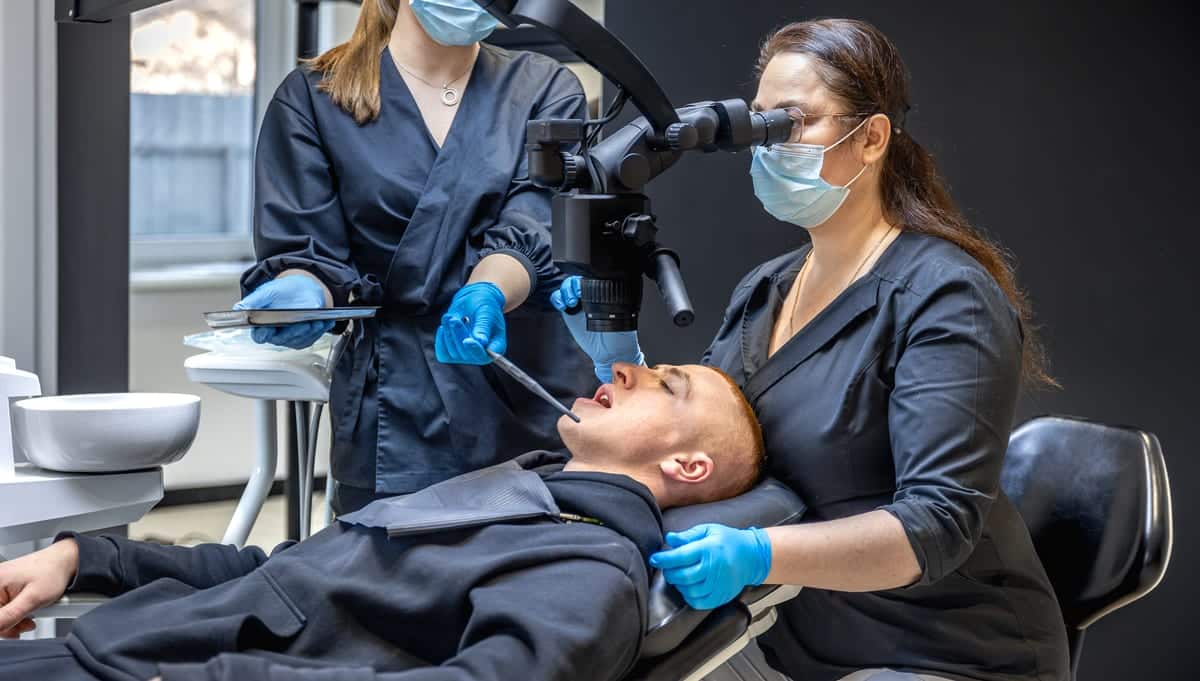
When you sit in our dental chair, your teeth reveal a lot. We can tell how you hold your toothbrush. We can see which areas you rush through. We can even identify if you brush too hard or too soft.
The most common issue we see is aggressive brushing. Patients scrub their teeth like they are cleaning grout. This wears down enamel and pushes gums away from the tooth root. Over time, this leads to sensitivity and increased cavity risk.
We also frequently see plaque buildup along the gumline and between teeth. These are the zones most people miss entirely. Brushing the flat surfaces of your teeth is not enough. The gumline and the spaces between teeth need just as much attention.
- Enamel erosion from brushing too hard
- Plaque buildup at the gumline
- Missed spots between teeth from skipping floss
- Gum recession caused by poor technique
- Staining in areas where brushing is inconsistent
The Biggest Brushing Mistakes — and How to Fix Them in East Florence
Most People Brush Wrong in East Florence without realizing their habits started in childhood and were never corrected. Here are the most common errors our team identifies and simple fixes for each one.
Brushing too hard. Use a soft-bristled brush. Apply light pressure — let the bristles do the work. Think gentle circles, not scrubbing strokes. Your enamel does not grow back once it wears away.
Brushing for too little time. Two minutes is the standard recommendation. Most people brush for under 45 seconds. Use a timer on your phone or choose an electric toothbrush with a built-in timer. Divide your mouth into four quadrants and give each one equal time.
Using the wrong angle. Hold your brush at a 45-degree angle toward the gumline. This helps the bristles sweep plaque away from under your gums. Brushing straight across misses the most important zone entirely.
Skipping the tongue and inner surfaces. Bacteria live on your tongue and on the inside surfaces of your front teeth. Many patients brush only the visible outer surfaces. Always brush the inner surfaces and gently clean your tongue to reduce bacteria.
Why Flossing Technique Matters More Than You Think
Flossing is not just about removing food. It removes the plaque film that builds up between teeth where your brush cannot reach. If you skip flossing, you are leaving roughly 35 percent of each tooth’s surface uncleaned every single day.
The technique matters too. Many people snap the floss down hard between teeth. This can injure the gum tissue and cause bleeding. Instead, gently slide the floss down between each tooth and curve it into a C-shape around the tooth base. Move it up and down slowly.
- Use 18 inches of floss so you have a clean section for each tooth
- Curve the floss around each tooth like a C-shape
- Slide gently below the gumline without snapping
- Move up and down rather than sawing back and forth
- Use a fresh section of floss for every tooth
Floss picks and water flossers are helpful alternatives if traditional floss is difficult to manage. Talk to our team about which option suits your needs best.
Choosing the Right Tools for Better Oral Health
Your toothbrush choice matters more than most people realize. Manual brushes work fine when used correctly. However, electric toothbrushes consistently outperform manual ones for plaque removal. Studies show they reduce gingivitis more effectively over time.
Always choose a soft-bristled brush. Medium and hard bristles damage enamel and irritate gum tissue. Replace your brush or brush head every three months. A worn-out brush loses its effectiveness quickly.
Toothpaste selection also plays a role. Fluoride toothpaste strengthens enamel and helps prevent decay. Whitening toothpastes can be abrasive if used daily. Ask our team at Johnson and Mahan Dental Care which toothpaste suits your specific needs in East Florence.
If you are dealing with cosmetic concerns alongside your home care routine, Cosmetic Dentistry East Florence services can address staining, chips, or alignment issues that brushing alone cannot fix. And if untreated decay has progressed further, Root Canal Treatment East Florence is available to save your tooth before extraction becomes necessary.
When Good Brushing Is Not Enough
Even perfect technique cannot replace professional cleanings. Tartar — hardened plaque — cannot be removed with a toothbrush. Once plaque calcifies, only a dental professional can safely remove it.
Regular checkups also allow our team to catch problems early. A small cavity caught at a routine visit is far easier to treat than an advanced one. Our East Florence patients who visit consistently tend to have fewer complications and lower treatment costs over time.
If you have been experiencing sensitivity, bleeding gums, or persistent bad breath, these are signs your home care routine may need adjustment. Our team is here to guide you — without judgment — toward a routine that works for your life.
Taking care of your teeth at home is the foundation of great oral health. Combine that with regular professional care and the right tools, and you are set up for a lifetime of healthy smiles. Book Now to schedule your appointment with our team.
Frequently Asked Questions
How long should I brush my teeth each time?
You should brush for a full two minutes, twice a day. Divide your mouth into four sections and spend about 30 seconds on each. Using a timer or an electric toothbrush with a built-in timer makes this easy to track.
Is an electric toothbrush better than a manual one?
Electric toothbrushes generally remove more plaque than manual ones, especially for people who rush or use incorrect technique. However, a manual brush used correctly with proper pressure and angle is still very effective. Talk to our team about the best option for you.
Why do my gums bleed when I floss?
Bleeding gums during flossing often signal early gum inflammation, usually from plaque buildup along the gumline. If you floss consistently for one to two weeks, bleeding often reduces significantly. However, persistent bleeding should be evaluated by a dental professional.
How often should I replace my toothbrush?
You should replace your toothbrush or electric brush head every three months. You should also replace it after recovering from an illness. Frayed bristles reduce cleaning effectiveness and can harbour bacteria over time.
Can brushing too hard actually damage my teeth?
Yes. Aggressive brushing wears away enamel, which does not regenerate once lost. It can also cause gum recession, exposing sensitive root surfaces. Always use a soft-bristled brush and gentle circular motions to protect your teeth and gums long term.