723 Cox Creek Parkway, Florence, AL 35630


If you’ve been dealing with missing teeth for a while, you’ve probably wondered whether implants are actually an option for you. Many people around town ask this question after struggling with slipping dentures, avoiding certain foods, or feeling self-conscious during conversations at local gatherings or work meetings. It’s a common concern—and one worth exploring carefully before making any decision.
Others hesitate because they’ve heard implants require surgery, bone support, or strict health criteria. Understanding what dentists actually evaluate can replace uncertainty with clarity. This guide explains the real clinical factors that determine eligibility so you can confidently decide whether treatment is worth discussing with a provider near you.
What Dentists Evaluate Before Approving Implants
Dental implant candidacy is based on measurable health indicators, not guesswork. Clinicians follow evidence-based screening protocols supported by organizations like the American Dental Association.
1. Jawbone Density and Volume
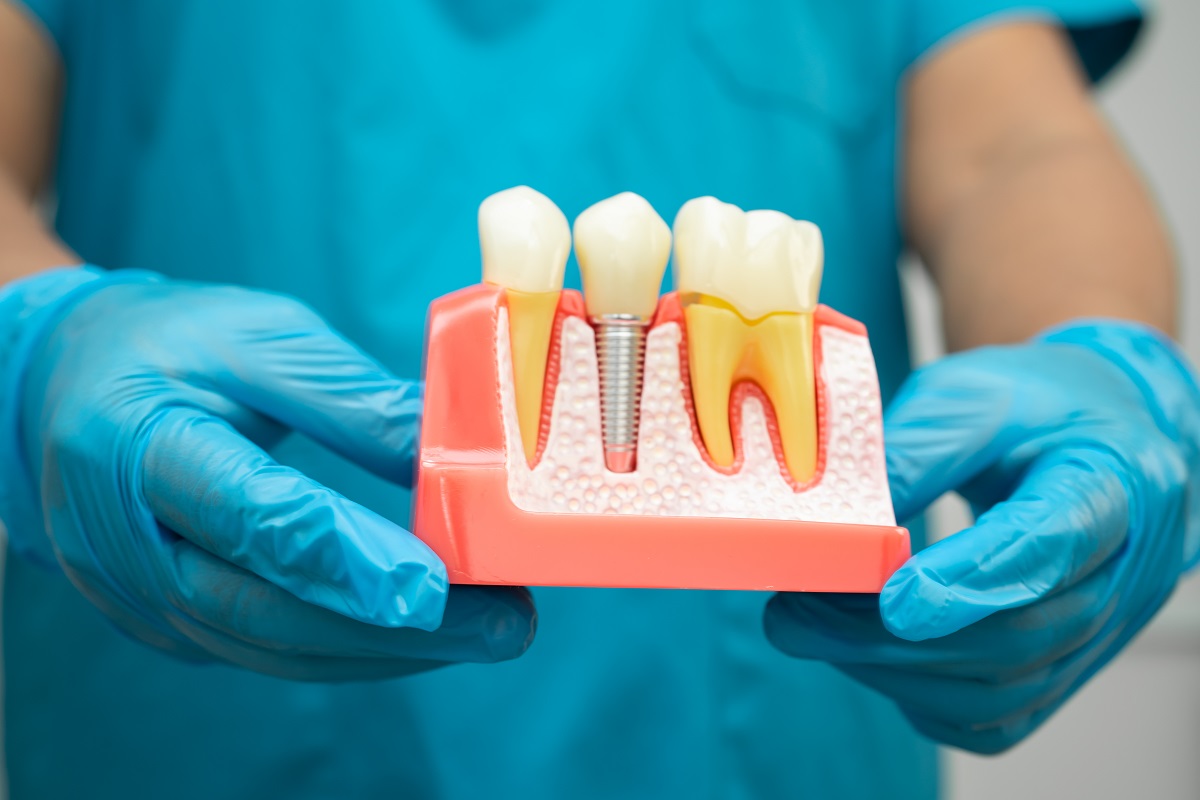
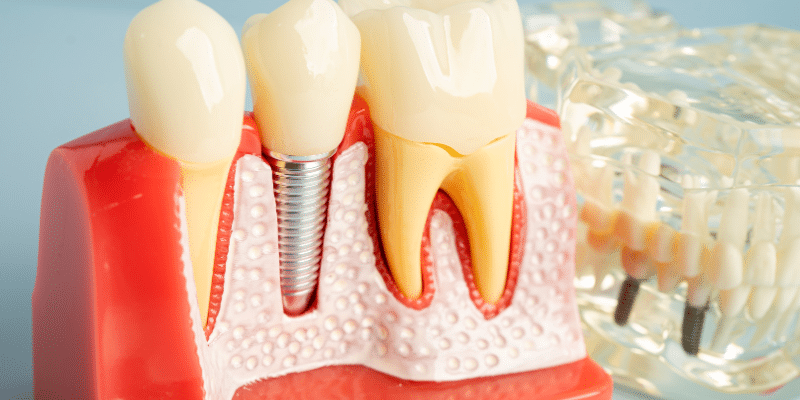
Implants fuse with bone through osseointegration. Adequate bone structure is essential for stability. If bone loss has occurred, grafting procedures can sometimes rebuild support before placement.
2. Gum Health
Healthy periodontal tissue lowers infection risk and improves long-term outcomes. Active gum disease must be treated before implant surgery.
3. Overall Medical Status
Conditions such as uncontrolled diabetes, immune disorders, or recent radiation therapy can affect healing. Dentists coordinate with physicians when systemic health factors are present.
4. Lifestyle Habits
Smoking and heavy alcohol use can slow healing and raise implant failure risk. Patients may be advised to modify habits before treatment.
Common Signs You May Be a Candidate
Many people assume implants are only for certain age groups or severe tooth loss, but candidacy is broader than most expect. You may qualify if you:
- Have one or more missing teeth
- Maintain daily oral hygiene
- Have sufficient bone or are open to grafting
- Do not have untreated periodontal disease
- Can undergo minor oral surgery safely
Patients exploring implant dentistry in Florence often learn they qualify even after years of assuming they didn’t.
Who is a good candidate for dental implants?
Answer:
A suitable dental implant candidate typically has healthy gums, enough jawbone to support an implant, and no uncontrolled medical conditions that interfere with healing. Dentists also evaluate oral hygiene habits, smoking status, and commitment to follow-up care before approving treatment.
Age Is Rarely a Limiting Factor
Contrary to popular belief, age alone does not determine eligibility. Adults of many ages successfully receive implants. What matters more is bone quality and general health. Even older adults can qualify if their medical history supports safe healing.
The National Institutes of Health reports that implant success rates remain high across adult age groups when proper screening and planning are followed.
Conditions That May Require Extra Evaluation
Some health situations don’t automatically disqualify you but may require additional planning.
Diabetes
Controlled diabetes is often acceptable. Poorly managed blood sugar, however, can impair healing.
Osteoporosis
Bone density loss may affect implant stability. Imaging scans help determine whether bone grafting is needed.
Autoimmune Disorders
Certain medications suppress immune responses. Dentists coordinate with medical providers before surgery.
Teeth Grinding (Bruxism)
Grinding places pressure on implants. Night guards or bite adjustments can reduce risk.
Patients who have missing teeth and are considering dental implant solutions near Florence frequently discover that these concerns can be managed rather than disqualifying them outright.
The Role of Imaging and Diagnostics
Before recommending implants, dentists use advanced diagnostics:
- 3D cone-beam CT scans to measure bone thickness
- Digital impressions for precise planning
- Bite analysis to evaluate force distribution
Facilities following protocols similar to those used at institutions such as the Mayo Clinic emphasize imaging-based planning because it improves placement accuracy and reduces complications.
Situations Where Implants May Not Be Recommended
Although most adults qualify, implants may not be advised if:
- Jaw growth is incomplete (usually under age 18)
- Severe bone loss cannot be corrected
- Active oral infections are present
- Certain medications prevent healing
In these cases, alternatives like bridges or removable prosthetics may be discussed.
Why Personalized Assessment Matters
Online checklists can give general guidance, but only a clinical exam can confirm candidacy. Dentists assess subtle variables such as:
- Bite alignment
- Sinus position
- Nerve location
- Existing restorations
These details determine not just whether implants are possible, but whether they’ll function comfortably for years.
Benefits of Being a Qualified Candidate
If you meet the criteria, implants can provide advantages beyond tooth replacement:
- Stable chewing function
- Preservation of jawbone structure
- Natural appearance
- No reliance on adjacent teeth for support
Because implants integrate with bone, they act more like natural tooth roots than traditional prosthetics.
When to Schedule an Evaluation
You should consider a consultation if you:
- Recently lost a tooth
- Have loose dentures
- Notice shifting teeth near a gap
- Want a long-term replacement option
Early evaluation often expands treatment choices because bone loss progresses over time after tooth extraction.
Ready to Find Out If You Qualify?
The most reliable way to know whether implants are right for you is a professional evaluation. The team at Johnson and Mahan Dental Care provides comprehensive assessments, advanced imaging, and personalized treatment planning to help you understand your options clearly. Scheduling a consultation is the first step toward restoring comfort and function
FAQ: Dental Implant Eligibility
How long does the evaluation process take?
Most assessments take one appointment with imaging and exam, though complex cases may require additional scans.
Can smokers get implants?
Yes, but they may be advised to reduce or stop smoking to improve healing and success rates.
Do implants hurt during placement?
Local anesthesia and sedation options keep patients comfortable during the procedure.
What if I don’t have enough bone?
Bone grafting or sinus lift procedures can rebuild support in many cases.
Are implants permanent?
The implant post can last decades with proper care, though crowns may need replacement over time.