723 Cox Creek Parkway, Florence, AL 35630


If you have been putting off replacing a missing tooth because you are unsure how long treatment will take, you are not alone. Around Florence, AL, including communities like Muscle Shoals, Sheffield, and Killen, many patients come into the office expecting dental implants to be completed in a few weeks. Others worry they will spend a year without teeth. The reality usually falls somewhere in between. The dental implant process is highly personalized, and the timeline depends on your oral health, healing ability, and whether additional procedures are needed before placement.
At Johnson and Mahan Dental Care, Dr. Johnson and her team take a careful, patient-focused approach to implant planning. Rather than rushing treatment or giving unrealistic expectations, the goal is to help patients understand what happens at each stage, why healing matters, and what factors can influence timing so there are fewer surprises along the way. If you are considering tooth replacement options, we welcome you to visit our dental practice in Florence, AL, to discuss your goals and receive a personalized treatment timeline based on your oral health needs.
The Short Answer: Most Implant Cases Take 3 to 9 Months
For many patients, the complete dental implant process takes somewhere between three and nine months, though some cases move faster and others take longer.
Patients are often surprised to hear this because they assume placing the implant itself is the longest step. In reality, the healing phase is what determines most of the timeline.
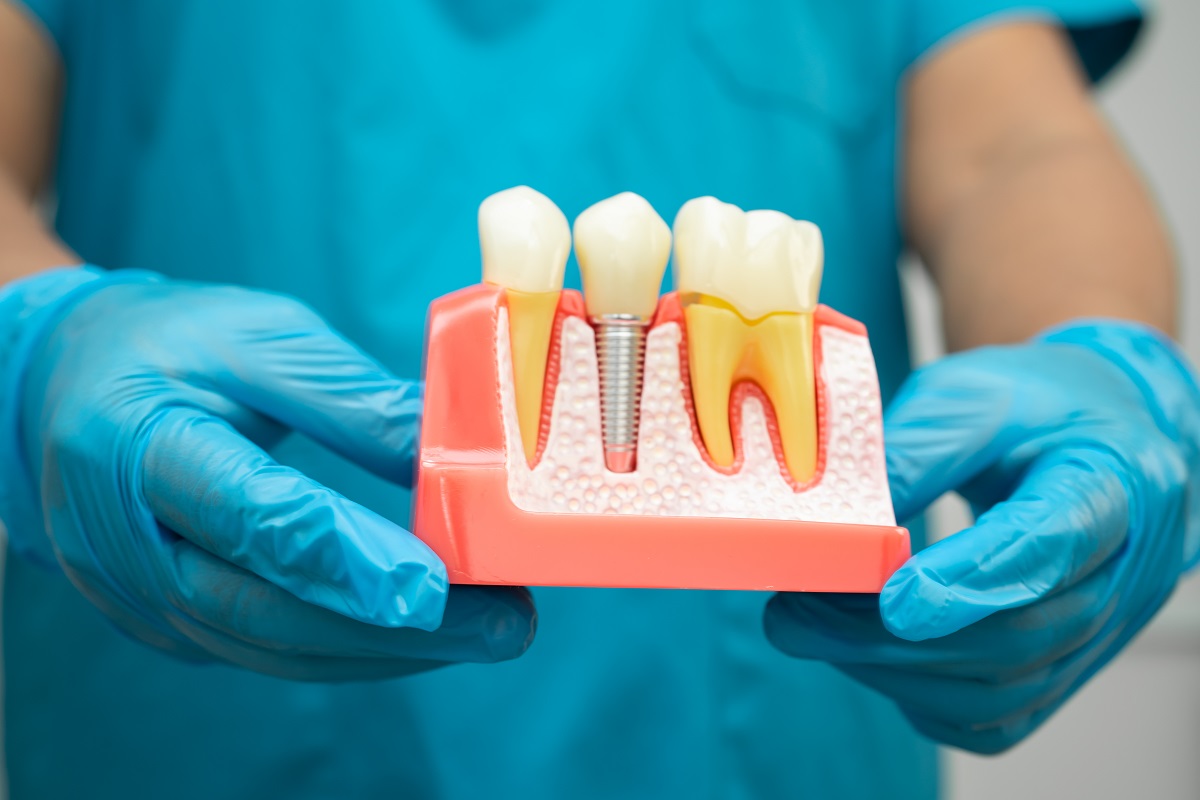
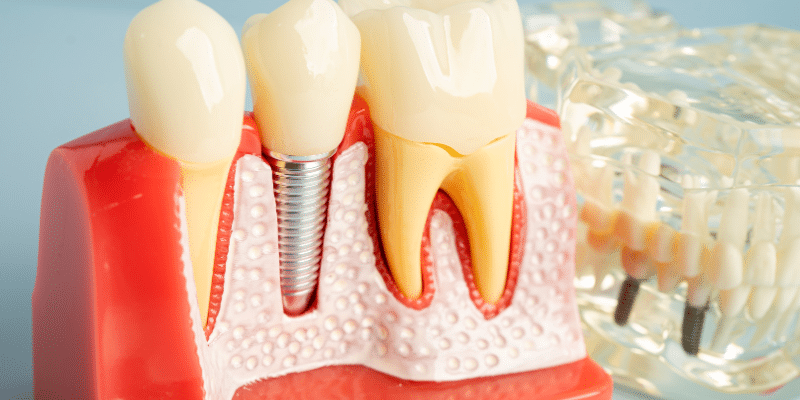
The implant acts as an artificial tooth root, and your jawbone needs time to biologically bond with it through a process called osseointegration. Simply put, the bone gradually fuses around the implant so it becomes stable enough to support a permanent crown.
Some patients qualify for a much faster timeline. Others may need extra preparation, especially if tooth loss happened years ago or bone support has changed.
What the Dental Implant Timeline Usually Looks Like
First Visit: Consultation and Planning
The process starts with a detailed evaluation. This includes imaging, examination of the gums and jawbone, bite assessment, and a discussion about medical history and goals.
One thing many patients do not realize is that missing a tooth for too long can change treatment timing. When a tooth has been missing for years, bone shrinkage may make placement more complex.
During this phase, patients often ask whether they are candidates for dental implants in Florence for missing teeth after bone loss. The answer depends on how much support remains and whether preparatory procedures are recommended.
For healthy candidates, planning may move quickly. If infection, gum disease, or damaged neighboring teeth are present, treatment may slow down because stabilizing oral health first usually leads to better long-term outcomes.
Tooth Removal Sometimes Changes the Timeline
If a damaged tooth still needs extraction, timing depends on the condition of the site.
In some situations, an implant can be placed the same day as removal. Patients often hear this called “immediate implant placement.” However, this is not always the safest or most predictable approach.

For example, if active infection, significant bone loss, or gum inflammation exists, waiting for healing may be the better decision.
One pattern dentists frequently observe is that patients who try to delay necessary extractions, hoping the tooth will improve, often end up extending their total treatment timeline later.
Why Healing Takes Longer Than Patients Expect
This is where most of the waiting happens.
After implant placement, the jawbone gradually integrates with the implant. For many people, healing takes around three to six months.
Several things can affect healing speed:
- Smoking or nicotine use
- Diabetes that is not well-controlled
- Bone density differences
- Teeth grinding or bite pressure
- Previous infections in the area
Patients sometimes worry that slower healing means something went wrong. In many cases, it simply means the body is taking additional time to build stable support.
Interestingly, younger age does not always mean faster healing. Some older patients heal predictably because they consistently follow instructions and maintain excellent oral hygiene.
Can You Leave With Teeth the Same Day?
This question comes up often.
Yes, some patients receive temporary teeth during treatment. However, there is a misconception that “same-day implants” means the process is fully finished in one appointment.
In reality, the implant still needs healing time beneath the surface.
Temporary restorations may improve appearance while healing occurs, but the permanent crown is usually placed only after stability is confirmed.
Patients exploring dental implants with realistic treatment timelines are often relieved to learn they do not necessarily have to go months feeling self-conscious about their smile.
The Biggest Mistakes That Can Delay Implant Treatment
Some delays are unavoidable, but others are surprisingly preventable.
One of the most common issues dentists see is patients skipping follow-up appointments because the implant “feels fine.” Healing problems sometimes develop quietly without obvious symptoms.
Another mistake is returning to hard foods too quickly. Even if discomfort improves, excessive pressure can interfere with early stability.
Patients also occasionally assume mild swelling automatically means failure. Mild tenderness and swelling can be normal early on, while severe pain, mobility, or worsening symptoms deserve evaluation.
There are also edge cases that change timelines. Some patients need bone grafting before implants, especially after years of missing teeth. While this adds time, it often improves the long-term success of treatment significantly.
Why Your Timeline May Be Different From Someone Else’s
A common misconception is that everyone follows the same treatment schedule.
Two patients replacing the same tooth can have completely different timelines.
For example:
- One patient with healthy bone may complete treatment in a few months.
- Another patient may need extraction healing, grafting, or gum stabilization first.
- Some patients prioritize speed, while others prefer a slower, staged approach.
In practice, patients who understand the “why” behind treatment timing usually feel more comfortable with the process because expectations stay realistic.
When Should You Start the Process?
If you already know you want to replace a missing tooth, earlier is usually easier.
Waiting too long can sometimes lead to shifting teeth, bite changes, and bone shrinkage, which may increase complexity later.
That does not mean delayed cases cannot be treated. It simply means the planning process may look different from what was expected.
At Johnson and Mahan Dental Care, Dr. Johnson and her team help patients understand realistic timelines, treatment phases, and what makes sense for their specific situation. Whether you recently lost a tooth or have been considering options for years, scheduling an appointment at our dental practice can help you better understand your options and what to realistically expect from the process.
The dental implant process is rarely as fast as patients hope or as overwhelming as they fear. Every timeline depends on healing, bone support, and overall oral health. Our goal is to help patients understand what to expect, make informed decisions, and move forward with confidence, knowing the process is designed for long-term success rather than speed alone.
Frequently Asked Questions
How long after a tooth extraction can I get a dental implant?
It depends on healing and the condition of the bone. Some patients qualify for immediate placement, while others may wait several weeks or months.
Why do dental implants take several months?
Most of the timeline involves healing. The jawbone needs time to bond securely with the implant before a permanent crown is attached.
Can dental implants really be completed in one day?
Sometimes, temporary teeth can be placed on the same day, but the implant still needs to heal before the final restoration.
What can slow down implant healing?
Smoking, uncontrolled diabetes, poor oral hygiene, grinding, and previous infection are common factors.
Will I be without teeth during treatment?
Not always. Many patients receive temporary solutions while healing takes place.
Does bone grafting always mean I cannot get implants?
No. Bone grafting is often used to improve support and may actually make implant treatment more successful.
How do I know if my implant is healing normally?
Mild soreness and swelling may be normal initially, but severe pain, movement, or worsening symptoms should be evaluated.
Is waiting too long to replace a missing tooth a problem?
Sometimes. Longer delays may increase bone loss or shifting of teeth, which can affect treatment planning.