723 Cox Creek Parkway, Florence, AL 35630


In Florence, AL, it’s not uncommon to meet patients who initially delayed tooth replacement because “it wasn’t hurting.” Months or years later, they return, not because of the missing tooth itself, but due to shifting teeth, difficulty chewing, or jaw discomfort that crept in quietly.
Others come in after trying temporary fixes, only to realize the problem didn’t stay isolated. What most patients overlook is that missing teeth don’t just affect appearance; they set off a chain reaction that impacts bone, bite, and overall oral function over time.
At Johnson and Mahan Dental Care, patients are treated by experienced clinicians- Dr. Holcombe, Dr. Johnson, and Dr. Mahan, who focus on long-term oral health, not just short-term fixes. Their approach emphasizes early detection, functional stability, and patient-specific treatment planning, helping individuals make informed decisions about tooth replacement. The longer a missing tooth goes untreated, the more it can impact your overall oral health. Talk to the team at Johnson and Mahan Dental Care to determine whether dental implants are the right long-term solution for you.
Why Do Dental Implants Matter Long-Term?
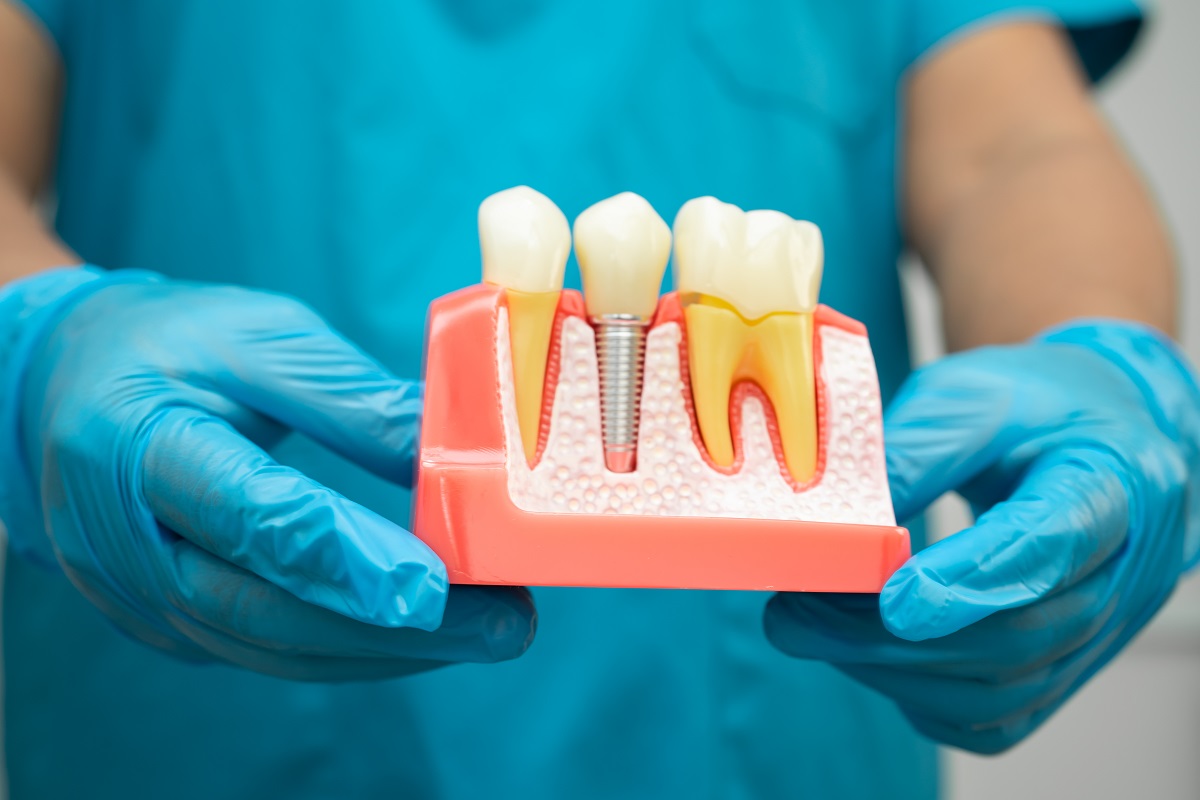
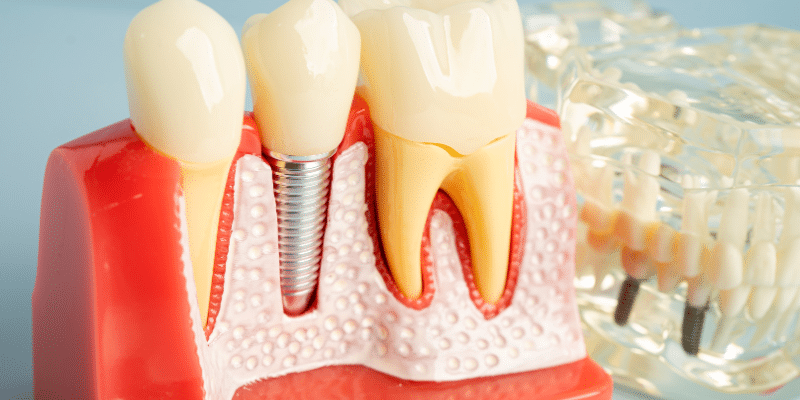
Dental implants do more than replace missing teeth; they help preserve jawbone density, stabilize surrounding teeth, and maintain proper bite alignment. Over time, this prevents structural changes in the mouth that can lead to discomfort, functional limitations, and more complex dental issues.
What Happens When a Missing Tooth Is Left Untreated?
Most patients assume a single missing tooth is manageable. Clinically, that’s rarely the case.
Early Changes Patients Notice
- Food trapping in adjacent spaces
- Slight shifting of neighboring teeth
- Increased sensitivity while chewing
- Subtle bite imbalance
Advanced Changes That Develop Quietly
- Progressive bone loss in the jaw
- Tilting or drifting of surrounding teeth
- Opposing teeth over-erupting into the gap
- Increased strain on the jaw joint
These changes don’t happen overnight, but once established, they’re harder to reverse.
The Long-Term Benefits of Dental Implants Most Patients Overlook
1. Bone Preservation Isn’t Optional It’s Critical
When a tooth root is missing, the jawbone no longer receives stimulation.
- Bone begins to resorb (shrink) in that area
- Facial structure can subtly change over time
- Future treatment options may become limited
Dental implants function like natural roots, maintaining bone integrity.
2. Bite Stability Prevents a Domino Effect
A missing tooth shifts how forces are distributed when you chew.
- Adjacent teeth compensate and wear unevenly
- Jaw muscles adapt, sometimes leading to discomfort
- Bite misalignment can gradually worsen
Implants restore balanced force distribution across the arch.
3. Protection Against Secondary Dental Problems
Patients often don’t connect missing teeth to future issues.
- Higher risk of gum disease in shifted teeth
- Increased plaque retention in misaligned areas
- Greater likelihood of fractures in overloaded teeth
Replacing the tooth early reduces these cumulative risks.
Mid-Content Insight: Do Dental Implants Actually Prevent Bone Loss?
Yes, dental implants are the only tooth replacement option that actively stimulates the jawbone. By mimicking the function of a natural tooth root, they help maintain bone density and prevent the gradual resorption that typically follows tooth loss. This preservation supports both oral function and facial structure over time.
Common Misconceptions That Delay Treatment
“If I can chew, I don’t need to replace it.”
Chewing ability can remain functional until the bite starts compensating in harmful ways.
“Bone loss only happens in older patients.”
Bone resorption begins soon after tooth loss, regardless of age.
“Implants are just cosmetic.”
This is one of the most damaging assumptions. The functional benefits often outweigh aesthetics.
Why Patients Eventually Seek Treatment
In clinical settings, patients rarely come in immediately after losing a tooth. Instead, they present when secondary symptoms appear:
- “My teeth feel like they’re shifting.”
- “I can’t chew comfortably on one side.”
- “Food keeps getting stuck in the same spot.”
- “My jaw feels tired or uneven.”
By this stage, the treatment plan often becomes more complex than it would have been earlier.
Where Dental Implants Fit Into Long-Term Care
From a treatment planning perspective, implants are not just replacements; they are preventive tools.
- Help maintain spacing and alignment
- Reduce long-term restorative costs
- Support predictable, stable oral function
Patients exploring dental implants in Florence often benefit most when treatment is done before structural changes progress.
What Most Patients Overlook About Timing
There’s a narrow window where treatment is simpler, faster, and more predictable.
Delaying can lead to:
- Need for bone grafting
- More extensive bite correction
- Longer overall treatment timelines
Early intervention isn’t about urgency; it’s about preserving options.
When Should You Consider an Implant Evaluation?
You don’t need to wait for symptoms to escalate.
Consider an evaluation of:
- You’ve had a missing tooth for several months
- You notice changes in how your teeth fit together
- Chewing feels uneven or uncomfortable
- You’re relying heavily on one side of your mouth
A Practical, Outcome-Focused Next Step
If you’re starting to notice changes, even subtle ones- it’s worth understanding what’s happening beneath the surface.
At Johnson and Mahan Dental Care, the focus is on preventing long-term complications—not just replacing teeth. If you’re noticing changes like shifting teeth or uneven chewing, schedule a visit to our dental office in Florence before they progress.
FAQs: What Patients Really Want to Know
How soon after tooth loss should I consider an implant?
Ideally, within a few months, before significant bone loss begins.
Are implants always better than bridges or dentures?
Not always, but they are the only option that preserves bone and doesn’t rely on adjacent teeth.
Is bone loss reversible without implants?
Not naturally. Bone grafting may help rebuild lost volume, but prevention is simpler.
Do implants feel like natural teeth?
Functionally, yes. Most patients report normal chewing and comfort after healing.
What if I’ve had a missing tooth for years?
You may still be a candidate, though additional procedures might be needed.
Are implants a one-time solution?
With proper care, they are designed to be long-lasting and stable.