723 Cox Creek Parkway, Florence, AL 35630

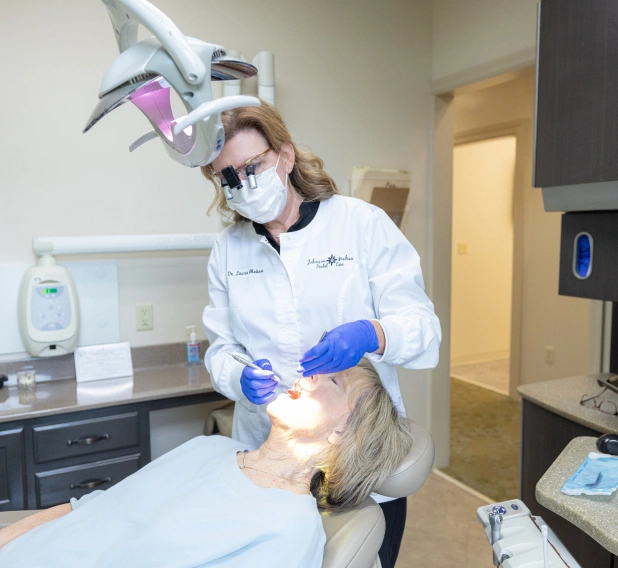
Why Oral Hygiene Care Matters
Tooth loss in adults over 35 is most often caused by gum disease rather than cavities. In fact, about 75% of adults experience some form of periodontal disease in their lifetime. The most effective way to protect your teeth and gums is through proper brushing and flossing every day.
Gum disease and tooth decay both stem from bacterial plaque, a colorless film that constantly forms at the gum line. If not removed regularly, this plaque can harden and lead to serious oral health issues. Committing to a daily routine of brushing and flossing helps prevent the buildup of harmful bacteria and keeps your smile in top condition.
How to Brush Your Teeth Effectively
Using a soft-bristled toothbrush is recommended for gentle and effective cleaning. Hold the brush at a 45-degree angle where your teeth and gums meet. Use small, circular motions with light pressure to clean the outer surfaces of each tooth.
After finishing the outside, move to the inner surfaces using the same technique. For the front teeth, tilt the brush vertically and use up-and-down strokes to clean thoroughly. Be sure to also brush the gum line to remove any remaining plaque.
Clean the chewing surfaces last by using short, gentle strokes. Watch yourself in the mirror to ensure you're reaching every tooth. After brushing, rinse thoroughly to remove loosened debris and freshen your mouth.
The Right Way to Floss
Flossing helps clean areas your toothbrush can't reach—especially between the teeth—where gum disease often begins. Using about 18 inches of waxed floss, wrap most of it around one middle finger and the rest around the other.
Hold the floss between your thumb and forefinger, and gently slide it between your teeth using a back-and-forth motion. Curve it around each tooth in a C-shape and gently clean just below the gum line. Be sure to floss both sides of every tooth, including behind the last molars.
Use a clean section of floss as you move from tooth to tooth. After flossing, rinse your mouth to wash away any dislodged plaque or food particles. Some minor bleeding is normal at first but should decrease with regular use.
Managing Sensitive Teeth
It’s common to experience temporary sensitivity to hot or cold after dental treatments. This sensitivity usually fades as long as you maintain a clean mouth. However, if it continues or worsens, your dentist may recommend a special toothpaste or mouth rinse to reduce the discomfort.
Maintaining good oral hygiene is key to managing sensitivity. Gentle brushing, flossing, and using dentist-approved products can help soothe sensitive areas and prevent further irritation.
Choosing the Right Dental Products
With so many dental care products on the market, it can be hard to know what works best. For most people, a soft-bristled manual or electric toothbrush does an excellent job. Electric toothbrushes often improve plaque removal and are easy to use.
Oral irrigators can rinse your mouth thoroughly but should be used in addition to, not instead of, brushing and flossing. Some toothbrushes also come with rubber tips for gum massage, and small interproximal brushes can clean between teeth—but only if used correctly.
Toothpaste and mouth rinses with fluoride can help prevent decay when used regularly. Anti-plaque rinses approved by the ADA can support gum health. However, tartar-control products mostly affect buildup above the gum line, not below, where gum disease starts.
Why Professional Cleanings Are Still Necessary
Brushing and flossing at home go a long way toward keeping your teeth clean, but some areas are too difficult to reach without professional help. Dental cleanings are essential for removing hardened plaque (calculus) that home care tools can’t eliminate.
Regular visits to Johnson and Mahan Dental Care are a critical part of your oral hygiene routine. Professional cleanings help prevent gum disease, monitor oral health changes, and support your efforts to maintain strong, healthy teeth. Keeping up with these visits ensures your smile stays clean and your teeth last a lifetime.