723 Cox Creek Parkway, Florence, AL 35630


A cracked tooth can happen when you least expect it. Whether you bite into a popcorn kernel during movie night, crunch on hard candy during the holidays, or experience a sports-related accident, a damaged tooth can cause pain, sensitivity, and uncertainty about what to do next.
At Johnson and Mahan Dental Care, patients receive personalized evaluations to restore damaged teeth while preserving their natural smiles. If you’ve cracked a tooth, scheduling an appointment promptly can help prevent further damage and determine whether a dental crown is the right solution.
How Serious Is a Cracked Tooth?
Even a small crack deserves professional attention. While some cracks cause immediate pain, others may not produce noticeable symptoms until the damage worsens.
Common signs of a cracked tooth include:
- Sharp pain when chewing
- Sensitivity to hot or cold foods and drinks
- Pain that comes and goes
- A rough or chipped edge
- Swelling near the affected tooth
- A visible crack or missing piece of enamel
Although discomfort may improve temporarily, the crack itself does not heal. Everyday chewing places additional stress on the weakened tooth, allowing the fracture to grow larger over time. Early evaluation often makes treatment more straightforward and increases the chances of preserving your natural tooth.
Why Might You Need a Dental Crown?
A dental crown is one of the most common treatments for restoring a cracked tooth because it strengthens and protects the remaining tooth structure.
When a tooth is cracked, it becomes less stable. Without treatment, normal biting forces can cause the fracture to spread, increasing the risk of more extensive damage.
Your dentist may recommend a dental crown because it can:
- Protect weakened tooth structure
- Restore normal chewing function
- Improve the appearance of the tooth
- Help prevent additional fractures
- Seal the tooth against bacteria
Before recommending treatment, your cosmetic dentist in Florence will evaluate the depth of the crack, the health of the tooth’s nerve, and how much healthy tooth structure remains. Every treatment plan is customized to the condition of the individual tooth.
What Happens During Your First Dental Crown Appointment?
Many patients feel anxious simply because they don’t know what to expect. Fortunately, a dental crown appointment follows a well-planned process designed to restore your tooth while keeping you comfortable.
Comprehensive Examination
Your appointment begins with a thorough examination of the damaged tooth. Your dentist may take digital X-rays and perform additional tests to determine:
- How extensive the crack is
- Whether the tooth’s nerve has been affected
- If neighboring teeth have sustained damage
- Whether additional treatment is necessary before placing a crown
Some cracks are easy to see, while others only become visible during bite testing or under magnification. This careful evaluation allows your dentist to recommend the most appropriate treatment rather than relying solely on what can be seen on the surface.
Reviewing Your Treatment Options
Not every cracked tooth requires a dental crown. Depending on the extent of the damage, your dentist may recommend:
- Dental bonding for minor chips
- A dental crown
- Root canal therapy followed by a crown
- Replacing an older filling or restoration
- Monitoring very small surface cracks
Your dentist will explain why a particular treatment is recommended and answer any questions you have before moving forward. The goal is to restore your tooth while preserving as much healthy structure as possible.
Preparing the Tooth
If a crown is the best solution, the tooth is gently reshaped to make room for the restoration. During this process, weakened or damaged portions of the tooth are removed while preserving healthy enamel whenever possible.
Once the tooth has been prepared, digital scans or impressions are taken to create your custom crown. These detailed images ensure the final restoration fits comfortably and blends naturally with your surrounding teeth.
Will You Receive a Temporary Crown?
In most cases, yes.
Because your permanent crown is custom fabricated, your dentist will place a temporary crown to protect the prepared tooth until your next appointment.
A temporary crown helps:
- Protect the tooth
- Reduce sensitivity
- Maintain normal appearance
- Allow you to eat comfortably while avoiding very hard or sticky foods
Before you leave, your dental team will explain how to care for the temporary restoration and what to avoid until your permanent crown is ready. Some patients may also qualify for same-day crown treatment, depending on the condition of the tooth and the technology available in the office.
What Happens During Your Final Dental Crown Appointment?
Once your custom crown is ready, you’ll return for your second appointment. This visit is typically shorter than the first and focuses on ensuring the restoration fits comfortably and functions naturally.
Your dentist will begin by removing the temporary crown and cleaning the prepared tooth. Before permanently bonding the new crown, several important checks are made to ensure the restoration fits properly.
Your dentist will evaluate:
- The fit against the prepared tooth
- Your bite alignment
- Contact with neighboring teeth
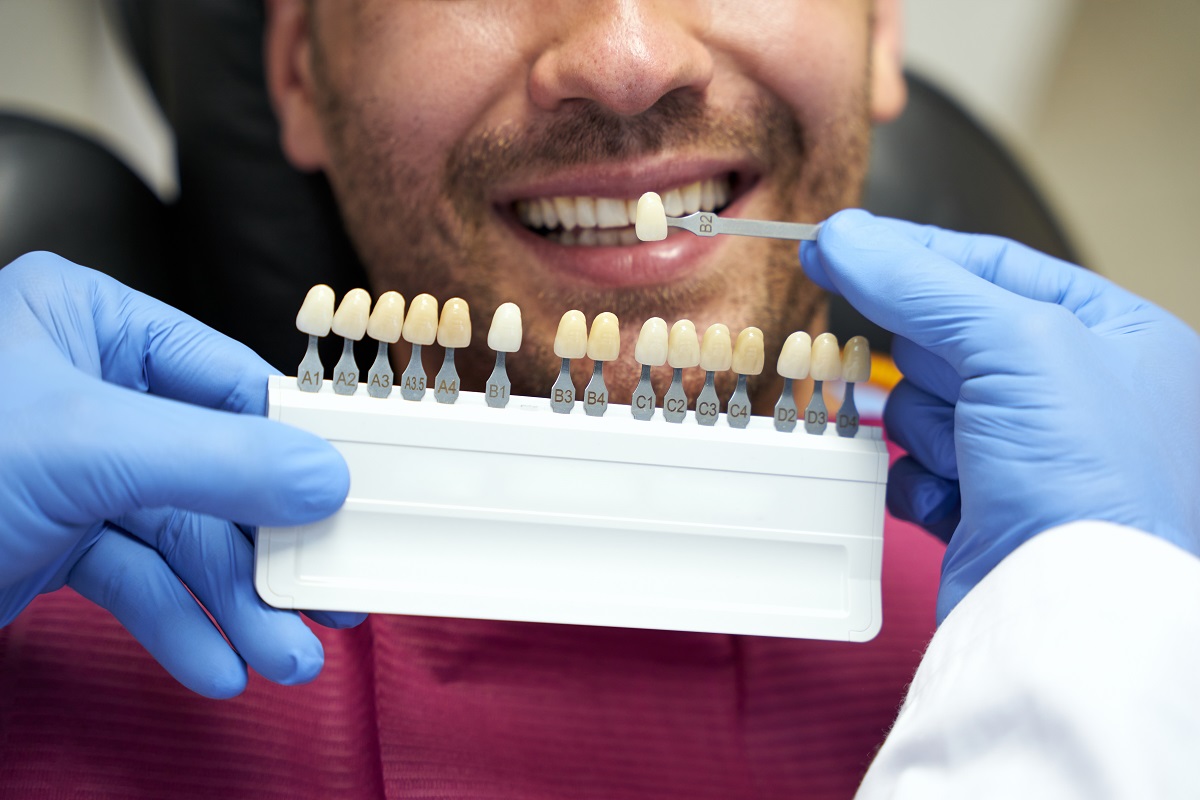
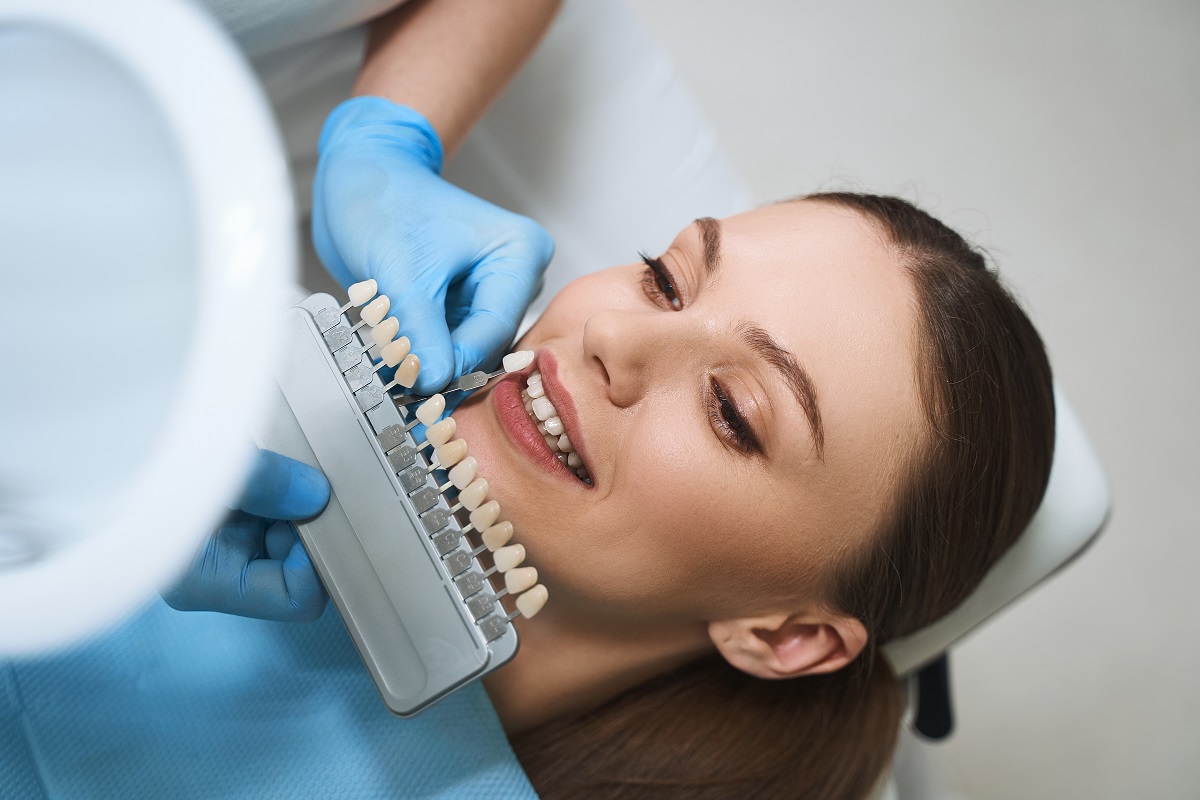
- The crown’s color and appearance
- Overall comfort when biting and chewing
If necessary, minor adjustments are made to achieve the best possible fit. Once everything is confirmed, the permanent crown is securely bonded into place.
The result is a strong, natural-looking restoration that allows you to smile, speak, and chew with confidence.
Throughout the appointment, the team at Johnson and Mahan Dental Care will explain each step and answer any questions you have, ensuring you feel informed and comfortable before leaving the office.
What Should You Expect After Getting a Dental Crown?
Most patients return to their normal routine the same day. While your mouth may need a short adjustment period, any discomfort is usually mild and temporary.
You may experience:
- Mild sensitivity to hot or cold foods
- Slight tenderness around the gums
- Minor changes in how your bite feels for the first few days
These symptoms typically improve as your mouth adjusts to the new restoration.
To help your crown last for many years:
- Brush twice daily with a soft-bristled toothbrush.
- Floss carefully around the crown.
- Avoid chewing ice and other hard objects.
- Wear a nightguard if you grind your teeth.
- Visit your dentist regularly for cleanings and examinations.
Although a crown restores the strength of your tooth, maintaining healthy gums and surrounding teeth is equally important for long-term success.
Can a Cracked Tooth Heal Without Treatment?
A common question patients ask is whether they can simply wait and see if the tooth improves. Unfortunately, the answer is no.
Unlike bones, tooth enamel cannot regenerate once it has cracked. Even if the pain subsides, the fracture remains and may continue to spread with everyday chewing.
Delaying treatment can increase the risk of:
- A larger fracture
- Infection inside the tooth
- The need for root canal therapy
- Tooth extraction if the damage becomes severe
Prompt evaluation allows your dentist to determine whether the tooth can be restored with conservative treatment before more extensive procedures become necessary. Seeking care early often helps preserve more of your natural tooth while reducing the likelihood of future complications.
When Should You Contact Your Dentist?
Some cracked teeth require immediate attention. Contact your dentist as soon as possible if you experience:
- Severe pain when biting
- Persistent or throbbing tooth pain
- Swelling around the tooth or gums
- A large piece of the tooth breaking off
- Bleeding after dental trauma
- A cracked front tooth that affects your smile or speech
Even if the damage appears minor, only a professional examination can determine how far the crack extends and whether treatment is needed. Early diagnosis often leads to simpler, more predictable treatment and improves the chances of saving your natural tooth.
Frequently Asked Questions
1. How long does a dental crown appointment usually take?
The first appointment generally lasts between 60 and 90 minutes because it includes an examination, tooth preparation, and impressions or digital scans. A second visit is often needed to place the permanent restoration, although some patients may qualify for same-day treatment. Your dentist can explain the expected timeline after evaluating your tooth.
2. Can I eat normally while wearing a temporary crown?
Yes, but it’s wise to be cautious. Choose softer foods for the first day or two and avoid chewing sticky candies, hard nuts, popcorn kernels, or ice on the temporary crown. Following your dentist’s instructions helps keep the temporary restoration secure until your permanent crown is placed.
3. Will getting a crown hurt?
Most patients remain comfortable throughout the procedure because the tooth is numbed before treatment begins. You may notice slight soreness or sensitivity afterward, but this usually resolves within a few days. If discomfort continues or your bite feels uneven, contact your dental office so adjustments can be made.
4. How long can I wait before treating a cracked tooth?
The answer depends on the crack’s size and location, but delaying an evaluation is generally not recommended. Some cracks deepen over time without obvious symptoms. An early dental examination helps determine whether the tooth can be protected with conservative treatment before more extensive care becomes necessary.
5. How long do dental crowns typically last?
A well-made crown can last many years with proper care. Daily brushing, flossing, regular dental visits, and avoiding habits like chewing ice or using your teeth as tools all help extend its lifespan. Routine examinations also allow your dentist to monitor the restoration and address any concerns before they become larger problems.