723 Cox Creek Parkway, Florence, AL 35630


Life in Florence often revolves around busy schedules, school activities, family dinners, and grabbing quick meals on the go. Whether you’re picking up lunch downtown or packing snacks for a day at McFarland Park, the foods you choose can have a lasting impact on your oral health. While brushing and flossing remain essential, your daily diet also plays a significant role in preventing cavities, protecting enamel, and keeping your gums healthy. The good news is that improving your smile doesn’t always require major lifestyle changes. Sometimes, replacing one food with a healthier alternative is enough to make a meaningful difference.
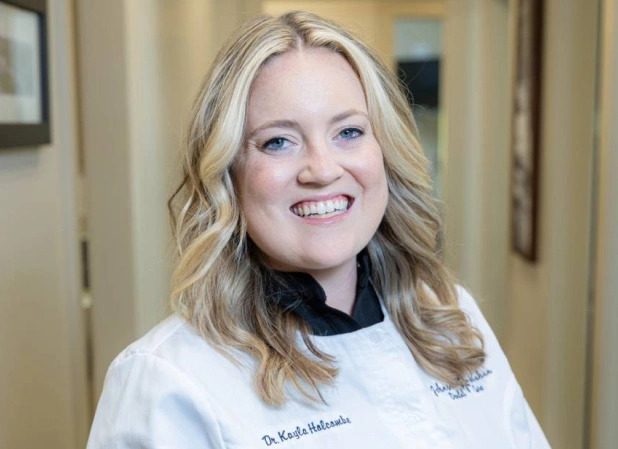
At Johnson and Mahan Dental Care, Dr. Kayla Holcombe believes preventive dentistry starts long before a patient sits in the dental chair. She takes time to educate patients about how everyday habits, including nutrition, influence long-term oral health. By combining personalized care with practical guidance, she helps individuals and families make informed choices that support healthier smiles.
Your Mouth Responds to Every Bite You Take
Many people assume sugar alone causes cavities, but the process is a little more complicated. Harmful bacteria naturally live in the mouth and feed on carbohydrates and sugars left behind after eating. As they digest these foods, they produce acids that gradually weaken tooth enamel. Frequent snacking, sticky foods, and acidic beverages give these bacteria more opportunities to attack your teeth.
One pattern we often notice is that patients who believe they eat “healthy” are surprised to learn that certain snacks or drinks still expose their teeth to prolonged acid attacks. Choosing foods that stimulate saliva, contain calcium, or require more chewing can help counteract these effects while supporting stronger enamel.
Swap Potato Chips for Crunchy Vegetables
Potato chips may seem harmless because they are not particularly sweet, but they quickly break down into starches that bacteria use as fuel. Tiny pieces also tend to stick between teeth, allowing bacteria to remain active long after you’ve finished eating.
Instead, choose crunchy vegetables like carrots, celery, cucumbers, or bell peppers.
These vegetables provide several benefits:
- They stimulate saliva production, which naturally helps rinse away food particles.
- Their fibrous texture creates gentle mechanical cleaning while chewing.
- They contain vitamins and minerals that support healthy gum tissue.
Many patients searching for dentists in Florence are surprised to learn that replacing processed snacks with fresh vegetables can reduce their overall cavity risk without eliminating snacking altogether.
Replace Sugary Yogurt with Plain Greek Yogurt and Fresh Fruit
Flavored yogurts often contain surprisingly high amounts of added sugar, even when marketed as healthy foods. That extra sugar feeds cavity-causing bacteria before your body has a chance to benefit from the nutrients.
A better option is plain Greek yogurt topped with fresh berries or sliced strawberries.
This swap offers multiple advantages:
- Higher protein content helps keep you full longer.
- Calcium and phosphorus support enamel remineralization.
- Probiotics may contribute to a healthier balance of oral bacteria.
Fresh fruit still contains natural sugars, but the fiber slows how quickly those sugars interact with your teeth compared to processed sweeteners.
Choose Cheese Instead of Candy for an Afternoon Snack
When patients crave something satisfying between meals, candy is often the easiest choice. Unfortunately, sticky candies cling to tooth surfaces and continue feeding bacteria long after eating.
Cheese offers an excellent alternative.
Cheese naturally contains calcium, phosphorus, and casein proteins that help strengthen teeth. It also stimulates saliva production, helping neutralize acids after meals.
One interesting observation from dental appointments is that patients who regularly replace sugary snacks with dairy products often experience fewer new cavities over time, especially when combined with consistent brushing and routine cleanings.
Trade Soda for Water with Meals
Many people focus only on sugar when thinking about soft drinks, but acidity deserves just as much attention. Even sugar-free sodas can gradually soften enamel because of their low pH.
Water remains the healthiest beverage for your teeth because it:
- Washes away food debris.
- Dilutes acids produced by bacteria.
- Helps maintain healthy saliva flow.
- Keeps the mouth hydrated throughout the day.
If plain water feels boring, adding cucumber slices or fresh mint provides flavor without exposing teeth to excess sugar.
Patients visiting dentists near Florence frequently ask whether sparkling water is a safe substitute. Most plain sparkling waters are considerably less harmful than soda, although still water remains the best everyday choice.
Pick Fresh Fruit Instead of Dried Fruit
Dried fruit often carries a healthy reputation, but its sticky texture creates problems inside the mouth. Raisins, dried cranberries, and similar snacks cling tightly to tooth surfaces, extending sugar exposure for bacteria.
Fresh apples, pears, and berries make much better alternatives.
Besides containing more water, fresh fruit encourages chewing, increases saliva production, and is less likely to remain trapped in grooves and between teeth.
This doesn’t mean dried fruit must be completely avoided. Eating it occasionally during meals rather than as a standalone snack, followed by drinking water, can reduce its impact.
Small Daily Choices Add Up Faster Than Most People Realize
Patients sometimes assume they need a perfect diet to improve their oral health. In reality, consistency matters far more than perfection.
Replacing just one cavity-promoting food each week can gradually reshape eating habits without feeling restrictive. These small adjustments become easier to maintain over time and often benefit overall health as well.
Another common misconception is that brushing immediately after every meal solves dietary problems. While brushing is important, repeatedly exposing teeth to sugary or acidic foods throughout the day still increases enamel wear. Giving your mouth fewer acid attacks is often just as valuable as improving your brushing routine.
Even patients with excellent brushing and flossing habits can still develop hardened plaque over time. If you’ve ever wondered why this happens, read our guide on why tartar builds up even with good hygiene to learn about the hidden factors that contribute to recurring buildup.
When Dietary Changes Alone Aren’t Enough
Even the healthiest diet cannot reverse every dental problem. Existing cavities, worn enamel, cracked fillings, or gum disease require professional evaluation.
If you notice increased tooth sensitivity, frequent cavities despite good hygiene, bleeding gums, or persistent bad breath, it’s worth scheduling a dental examination. These signs may indicate underlying conditions that nutrition alone cannot address.
During preventive visits, we often help patients identify eating habits they never realized were contributing to recurring dental problems. Personalized recommendations usually prove far more effective than following general nutrition advice found online.
Support Your Smile with Personalized Preventive Care
Healthy eating is one of the simplest ways to support your oral health, but every smile has unique needs. At Johnson and Mahan Dental Care, Dr. Kayla Holcombe and our team are here to help you build healthy habits while identifying concerns before they become bigger problems. Whether you’re due for a routine cleaning or have questions about protecting your family’s smiles, we’re ready to provide personalized care. Visit our dental practice in Florence, AL, or contact us today to schedule your next appointment.
Every meal presents an opportunity to support healthier teeth and gums. Simple food swaps can reduce the risk of cavities, strengthen enamel, and promote better long-term oral health without dramatically changing your lifestyle. By combining smart nutrition with regular preventive dental care, we can help protect your smile for years to come.
Frequently Asked Questions
Can changing my diet really reduce my risk of cavities?
Yes. Reducing frequent sugar exposure and choosing foods that support saliva production and enamel health can significantly lower the risk of cavities when combined with good oral hygiene.
Which snack is one of the best choices for healthy teeth?
Cheese, raw vegetables, nuts (when appropriate), and plain Greek yogurt are all excellent options because they provide nutrients without feeding harmful bacteria as much as sugary snacks.
Is fruit bad for my teeth because it contains sugar?
No. Whole fresh fruit is generally a healthy choice. Its fiber and water content make it much less harmful than processed sweets or sugary beverages.
How often should I drink soda if I want to protect my teeth?
Limiting soda to occasional consumption during meals is much better than sipping it throughout the day, which repeatedly exposes teeth to acids.
Are sugar-free drinks always safe for enamel?
Not necessarily. Some sugar-free beverages remain highly acidic and can still contribute to enamel erosion.
Why do dentists recommend drinking water after meals?
Water helps rinse away food particles, dilute acids, and support saliva production, all of which help protect your teeth.
Do healthy foods eliminate the need for brushing and flossing?
No. A healthy diet complements daily brushing, flossing, and regular dental visits, but it cannot replace them.
Can children benefit from these food swaps too?
Absolutely. Introducing healthier snack choices early helps children develop lifelong habits that support stronger teeth and healthier gums.