723 Cox Creek Parkway, Florence, AL 35630


A lot of people around Florence assume brushing right after a meal is always the healthiest thing to do. It seems responsible. You finish breakfast near Cox Creek Parkway, grab coffee before work, or stop for lunch after errands in Muscle Shoals, and brushing immediately feels like the smart move. But in some situations, brushing too soon may actually do more harm than good. At our office, we regularly meet patients surprised to learn that timing matters just as much as brushing itself.
At Johnson and Mahan Dental Care, Dr. Mahan believes preventive dental care starts with helping patients understand the “why” behind everyday habits. Rather than giving one-size-fits-all advice, our team focuses on practical guidance based on real eating habits, enamel health, and long-term oral wellness for families across the Florence area. If you have questions about tooth sensitivity, enamel wear, or whether your brushing habits may be affecting your smile, request an appointment with our team for personalized guidance.
Why Brushing Right After Eating Is Sometimes a Problem
The answer depends on what you ate or drank.
Many foods and beverages temporarily soften the outer layer of your teeth, called enamel. This does not mean your teeth are permanently damaged after one meal. It means enamel becomes more vulnerable for a short period, especially after exposure to acids.
Foods and drinks that commonly affect enamel include:
- Coffee with sugar or flavored creamers
- Citrus fruits like oranges and grapefruit
- Tomatoes and tomato-based sauces
- Soda, sports drinks, and energy drinks
- Wine
- Vinegar-based dressings
- Sour candies
When acids temporarily weaken enamel, brushing immediately afterward can sometimes create additional wear. Think of it less like “scrubbing dirt off” and more like rubbing a surface that has not fully hardened again.
This is one reason many patients searching for a Florence dentist for preventive dental care are surprised when we recommend waiting instead of brushing immediately after certain meals.
So, How Long Should You Wait?
For most acidic meals or drinks, waiting about 30 minutes before brushing is usually recommended.
That waiting period gives saliva time to naturally rebalance the mouth and help enamel recover from temporary softening. Saliva plays a larger role than many people realize. It helps neutralize acids and rinse away particles naturally.
However, this does not mean you should simply leave food sitting on your teeth.
If you just ate something acidic, a better immediate approach may include:
- Drinking water
- Rinsing your mouth with plain water
- Chewing sugar-free gum to stimulate saliva
- Waiting before brushing
Patients are often relieved to hear this because they assume “not brushing right away” means doing nothing. That is not the case.
The Breakfast Mistake Dentists See All the Time
One of the most common patterns we notice involves breakfast.
A patient wakes up, drinks orange juice, eats fruit, grabs coffee, and brushes immediately before heading out the door. It feels healthy, but this combination creates an acidic environment.
Ironically, the effort to be healthier may increase enamel wear over time if repeated consistently.
In situations like this, brushing before breakfast may sometimes make more sense, especially if breakfast includes acidic foods or coffee. After eating, rinsing with water and brushing later may better protect enamel.
This does not apply to every meal equally, which is why blanket advice online often confuses.
What About Coffee? This Question Comes Up Constantly
Coffee creates confusion because patients worry about both staining and acidity.
Many people brush immediately after coffee because they fear discoloration. But timing matters here too.
Black coffee is acidic, and flavored coffee drinks with sugar can increase concerns even more. If you brush immediately after finishing a hot coffee, especially first thing in the morning when the mouth is already dry, you may increase irritation for sensitive teeth.
Instead, consider:
- Drinking water after coffee
- Waiting before brushing
- Using a soft-bristle toothbrush
- Avoiding aggressive scrubbing
We frequently see patients who believe brushing harder removes stains faster, but aggressive brushing often contributes more to enamel wear and gum recession than patients realize.
“But Won’t Waiting Cause Cavities?”
This is one of the biggest misconceptions.
Patients often assume waiting 20 to 30 minutes automatically increases cavity risk. In reality, cavity development is usually tied to repeated bacterial activity, sugar exposure, oral hygiene consistency, and saliva quality over time, not whether brushing happened instantly after one meal.
The greater concern is what happened during the meal and whether healthy oral hygiene habits are being followed consistently throughout the day.
For example:
Eating chips throughout the day, sipping soda for hours, or frequent snacking may matter more than brushing exactly five minutes versus thirty minutes later. Good daily oral hygiene practices, including proper brushing timing, flossing, and preventive care, often have a greater long-term impact than one delayed brushing session.
Timing matters, but consistency matters more.
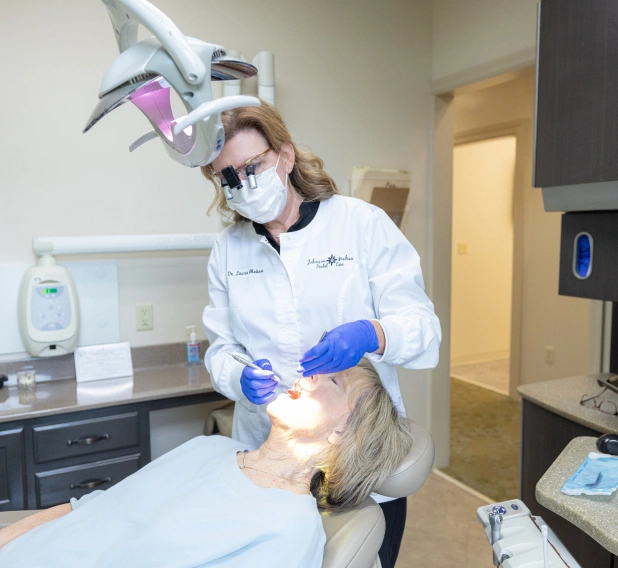
A family dentist in Florence may look at overall eating patterns, sensitivity, enamel wear, and brushing habits before recommending changes.
Signs Your Brushing Habits May Be Causing Problems
Not every patient notices enamel wear immediately.
Sometimes the early signs are subtle:
- Increased tooth sensitivity to cold foods or drinks
- Teeth feeling rough or more reactive after acidic meals
- Small translucent edges near front teeth
- Increased yellow appearance as enamel becomes thinner
- Gum recession from overly aggressive brushing
Patients sometimes mistake sensitivity for cavities when the issue may actually involve brushing technique or timing.
That said, persistent discomfort should not be ignored. Cavities, cracked teeth, grinding, and gum recession can sometimes look similar early on.
The “Healthy Food” Problem Nobody Talks About
Another pattern we commonly observe involves health-conscious patients.
Smoothies, lemon water, fruit bowls, kombucha, sparkling water, and apple cider vinegar drinks often appear harmless because they are marketed as healthy. Nutritionally, many are beneficial.
Dentally, however, frequent acid exposure changes the conversation.
We sometimes see patients with sensitivity who are shocked to discover their daily lemon water habit contributed to enamel wear. The goal is rarely to eliminate healthy foods. Instead, we help patients understand how to consume them more safely.
Small adjustments can make a meaningful difference:
- Drink acidic beverages with meals instead of sipping all day
- Use a straw when appropriate
- Rinse with water afterward
- Avoid brushing immediately
Those small habits often matter more than expensive products.
When It Is Worth Getting Your Teeth Checked
If your teeth have become increasingly sensitive, look more translucent, or brushing feels uncomfortable after meals, it may be worth scheduling an evaluation.
Sometimes patients assume sensitivity is “normal aging” when enamel wear, grinding, bite pressure, or early cavities may be contributing.
At Johnson and Mahan Dental Care, we help patients understand whether symptoms relate to brushing habits, enamel thinning, diet patterns, or something else entirely. Often, small preventive adjustments made early can help avoid more complicated concerns later.
Protecting Your Teeth Starts With Small Daily Habits
If you have been wondering whether your brushing routine may be affecting tooth sensitivity or enamel health, Johnson and Mahan Dental Care is here to help. Our team helps patients throughout Florence understand everyday habits that may impact long-term oral health. Schedule a visit at our dental practice in Florence, AL if you have questions about sensitivity, enamel wear, or the safest way to care for your smile. We proudly welcome patients from Florence as well as surrounding communities, including Muscle Shoals, Sheffield, Killen, and nearby areas, seeking personalized guidance for long-term oral health.
When it comes to protecting teeth, we often find the best results come from small daily decisions done consistently. Understanding when to brush, how diet affects enamel, and what habits deserve attention can make a meaningful difference in keeping smiles healthier over time.
Frequently Asked Questions
Is it bad to brush your teeth immediately after eating?
Not always. It depends on the meal. After acidic foods or drinks, brushing immediately may increase enamel wear because teeth are temporarily more vulnerable.
How long should I wait to brush after eating?
For acidic meals or beverages, about 30 minutes is often recommended to allow saliva time to rebalance the mouth.
Should I brush after coffee?
You may want to wait a bit after coffee, especially if it is acidic or sweetened. Rinsing with water first can help.
What should I do if food is stuck in my teeth?
Rinsing, flossing gently, or drinking water may help until brushing is appropriate.
Can brushing too soon make teeth sensitive?
It can contribute in some situations, especially when combined with acidic foods and aggressive brushing habits.
Is brushing before breakfast better?
Sometimes. If breakfast includes coffee, fruit, or citrus, brushing beforehand may reduce unnecessary enamel wear.
Does enamel grow back?
Enamel does not regrow once significantly worn away, which is why prevention matters.
How do I know if enamel damage is happening?
Sensitivity, discoloration, rough texture, or translucent tooth edges can sometimes signal enamel wear, though a dental exam provides the clearest answer.