
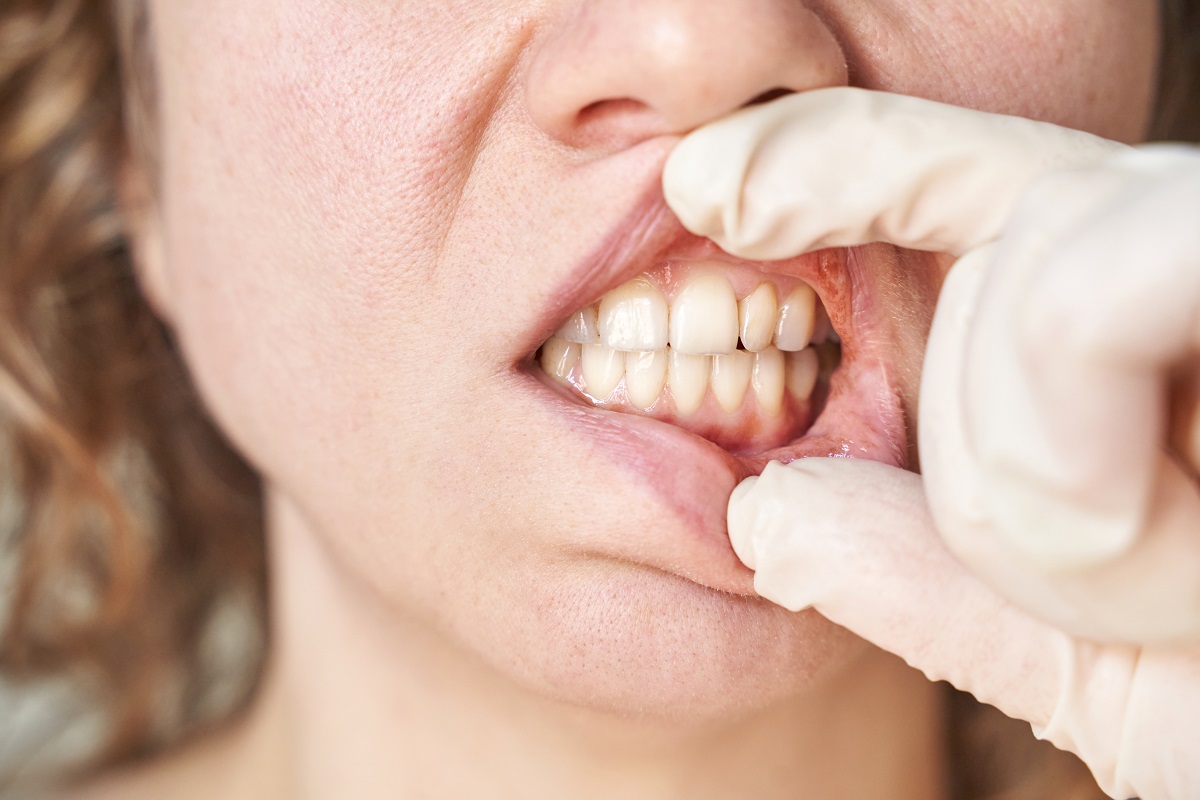
On a busy week in Florence, it is common for patients coming from areas near Cloverdale, Woodland Heights, or around Cox Creek Parkway to sit in the dental chair, frustrated by the same problem: “I brush every day, I floss regularly, so why do I still have tartar?” Many people assume tartar only develops in patients with poor hygiene. In reality, dentists often see significant buildup in patients who are genuinely consistent with their routines but are missing a few factors that matter more than they realize.
At Johnson and Mahan Dental Care, Dr. Johnson focuses on preventive and restorative dentistry with an emphasis on long-term oral health, patient education, and realistic daily care habits. Rather than relying on generic advice, the practice evaluates the specific patterns behind recurring buildup so patients understand what is actually contributing to the problem.
If you are noticing tartar buildup returning even with consistent brushing and flossing, the team at Johnson and Mahan Dental Care can help identify the underlying cause and recommend a more targeted prevention plan. Schedule a professional dental evaluation to address buildup early before it leads to gum inflammation, persistent bad breath, or long-term periodontal concerns.
Your Mouth May Be Producing Plaque Faster Than You Can Remove It
One of the biggest misconceptions about tartar is that it only forms when someone skips brushing. The reality is more nuanced.
Plaque begins forming within hours after cleaning your teeth. In some people, the bacteria in the mouth combine with minerals in saliva much faster than average. Once plaque hardens into tartar, it cannot be removed with brushing alone.
Dentists commonly notice this in patients who:
- Naturally produces thicker saliva
- Have dry mouth from medications
- Drink coffee frequently throughout the day
- Breathe through their mouth at night
- Snack often, even on healthy foods
A patient may technically brush twice daily but still allow plaque to sit long enough in key areas for mineralization to begin.
The Problem Is Often Location, Not Effort
Many patients clean the visible front surfaces of their teeth well, but miss areas where tartar forms fastest.
Dentists repeatedly see buildup:
- Behind the lower front teeth
- Around crowded teeth
- Near permanent retainers
- Along the gumline
- Around older fillings or crowns
The lower front teeth are especially vulnerable because salivary glands release minerals nearby. Even patients with excellent hygiene often develop tartar there first.
This is why some people leave a cleaning appointment confused after hearing they still have buildup in “the same spots” every visit.
Flossing Daily Does Not Always Mean Flossing Effectively
A common pattern in dental exams is patients flossing consistently but not fully cleaning below the gumline.
Quick flossing motions that snap between teeth may remove food particles while leaving bacterial film behind. Over time, plaque remains along the edges of the gums where it hardens quietly.
Dentists frequently observe:
- Patients skipping the back molars
- Floss not curving around the tooth surface
- Bleeding areas being avoided instead of cleaned
- Rushed nighttime hygiene routines
Ironically, patients who are “mostly consistent” often assume they are doing enough because they rarely feel pain or see obvious problems.
Your Toothbrush Might Not Be Cleaning as Well as You Think
Many adults use toothbrushes with worn bristles far longer than recommended. Others brush aggressively but too quickly.
Dentists commonly see patients brushing for less than one minute despite believing they brush thoroughly. Pressure is another issue. Scrubbing harder does not remove tartar better and can actually irritate gum tissue while missing plaque at the gumline.
Electric toothbrushes often help patients with recurring tartar because they maintain consistent motion and improve coverage in difficult areas.
Still, even an excellent toothbrush cannot remove tartar once it hardens.
Some Diet Habits Create Constant Plaque Activity
Patients often associate tartar only with sugar, but frequency matters just as much as quantity.
Small habits that dentists frequently connect to recurring buildup include:
- Sipping sweetened coffee for hours
- Frequent sports drinks
- Constant snacking
- High-carb grazing during workdays
- Late-night eating without brushing afterward
Even health-conscious patients may unintentionally create a mouth environment where bacteria remain active all day.
Sticky plaque becomes harder to disrupt when teeth are repeatedly exposed to food and acidic drinks between cleanings.
Crowded Teeth and Bite Alignment Can Trap Plaque
Some tartar buildup has less to do with hygiene and more to do with anatomy.
When teeth overlap slightly or rotate inward, toothbrush bristles and floss may not reach certain surfaces effectively. Dentists often see stubborn tartar in patients who are otherwise very compliant with home care.
Patients are sometimes surprised to learn that:
- Minor crowding increases plaque retention
- Grinding can create hard-to-clean grooves
- Old dental work may create rough surfaces
- Gum recession changes cleaning angles
This is why two people with identical hygiene habits may have completely different tartar patterns.
Midway through treatment discussions, a dentist in Florence, AL, treating chronic tartar accumulation may identify structural factors rather than simply telling patients to brush more.
Dry Mouth Changes Everything Faster Than Patients Realize
Dry mouth is one of the most overlooked reasons for recurring tartar.
Saliva naturally helps rinse bacteria and neutralize acids. When saliva decreases, plaque becomes thicker and stickier. Many medications contribute to this without patients realizing it.
Dentists commonly connect dry mouth to:
- Allergy medications
- Antidepressants
- Blood pressure medications
- CPAP use
- Mouth breathing during sleep
- Dehydration
Patients often describe waking up with a dry or sticky feeling in the morning. That symptom alone can significantly increase tartar formation over time.
Professional Cleanings Matter More for Certain Patients
Some people simply require more frequent maintenance than others.
Dentists regularly see patients who:
- Develop tartar rapidly despite good hygiene
- Have gum inflammation that traps bacteria
- Produce heavy mineralized plaque
- Wear orthodontic retainers
- Have a history of periodontal disease
These patients are not failing at oral hygiene. Their oral environment simply requires closer monitoring.
For some individuals, six-month cleanings are enough. Others benefit from professional maintenance every three or four months to prevent buildup from progressing into gum disease.
When Tartar Becomes More Than a Cosmetic Issue
Patients often ignore tartar until it becomes visible. The problem is that harmful buildup frequently develops below the gumline first.
Dentists become more concerned when tartar is associated with:
- Persistent bad breath
- Bleeding during flossing
- Gum tenderness
- Gum recession
- Teeth feeling rough near the gums
- Sensitivity around certain teeth
At that stage, the issue is no longer only cosmetic. Tartar creates a rough surface that allows even more bacteria to attach, increasing inflammation and making gum disease more likely.
Concerned About Recurring Tartar? Johnson and Mahan Dental Care Can Help
At Johnson and Mahan Dental Care, patients are evaluated based on their specific tartar patterns, oral anatomy, daily habits, and gum health rather than being given generic brushing advice. Dr. Johnson works closely with patients to identify why the buildup keeps returning and what changes are most likely to make a measurable difference long term.
If you are frustrated by recurring buildup despite brushing and flossing consistently, visit our dental practice conveniently located at 723 Cox Creek Parkway, Florence, AL 35630, near Cox Creek Shopping Center and just minutes from North Alabama Medical Center. A professional evaluation can help uncover the underlying reason before it progresses into more serious gum concerns.
Tartar buildup is not always a sign of poor hygiene. In many cases, it reflects a combination of saliva chemistry, cleaning technique, anatomy, diet habits, and plaque retention patterns that patients simply cannot identify on their own. When we evaluate these factors early, we can often prevent recurring buildup from turning into chronic gum problems and help patients maintain healthier teeth with more targeted, realistic care strategies.
FAQs
Why do I get tartar mostly behind my bottom front teeth?
Salivary glands under the tongue release minerals in that area, making tartar harden faster there than on many other teeth.
Can tartar form even if I use an electric toothbrush?
Yes. Electric toothbrushes help reduce plaque, but tartar can still form in difficult areas or when plaque mineralizes quickly.
Does bleeding while flossing mean I should stop?
No. Mild bleeding often signals inflammation caused by plaque accumulation. Avoiding those areas usually allows the problem to worsen.
Is tartar always visible?
No. Some of the most damaging tartar develops beneath the gums, where patients cannot easily see it.
Why does tartar come back quickly after a cleaning?
Factors like saliva chemistry, dry mouth, crowding, and diet patterns may allow plaque to harden faster than average.
Can mouthwash remove tartar?
No. Mouthwash may help reduce bacteria, but hardened tartar requires professional removal.
Does tartar mean I have gum disease?
Not always, but untreated tartar increases the risk significantly because bacteria remain attached near the gums.
How often should tartar be professionally removed?
It depends on the patient. Some need cleanings every six months, while others benefit from more frequent maintenance visits.