723 Cox Creek Parkway, Florence, AL 35630


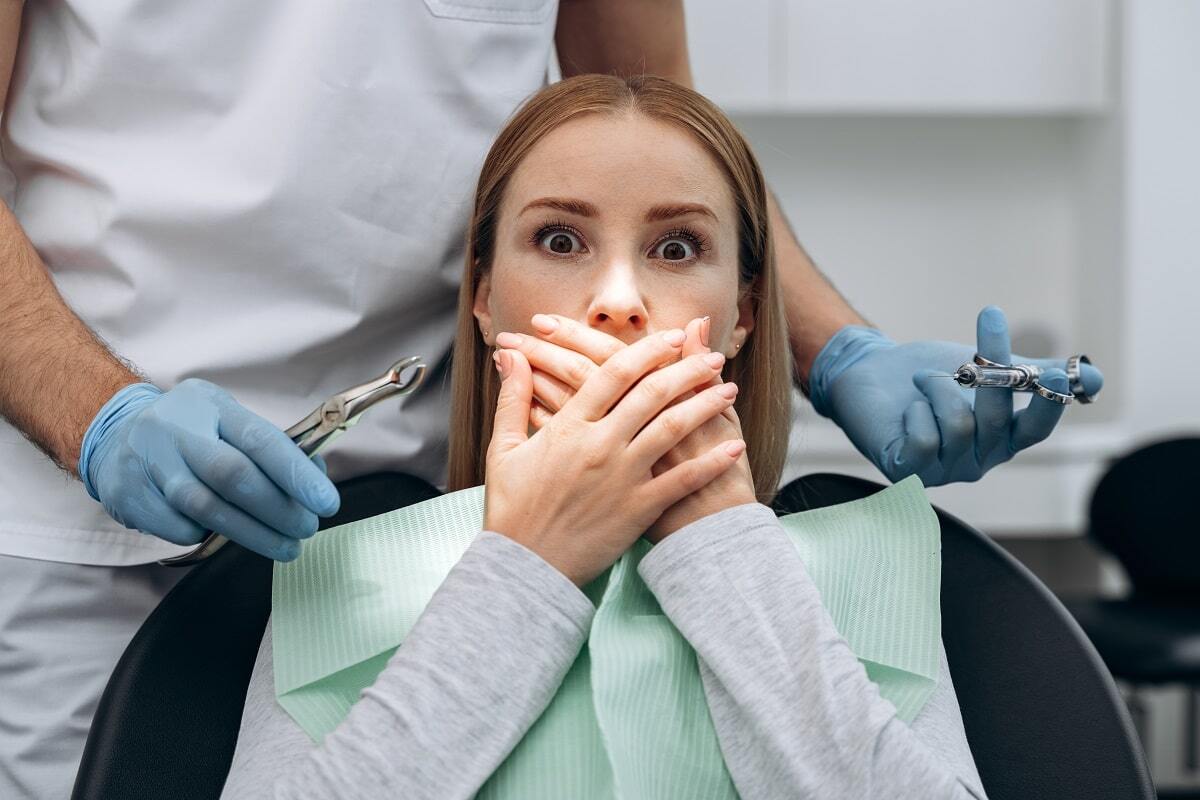
In Florence and nearby communities, we often meet patients who come in with hesitation written all over their faces. They are not unsure about wanting a better smile. They are unsure about what they might lose in the process. The most common question we hear is simple but loaded: “Are veneers going to ruin my teeth?”
This concern usually comes from what patients have seen online or heard from someone who had a bad experience. The reality is more nuanced. Veneers can be a highly precise cosmetic solution, but they are not a reversible shortcut. Understanding what actually happens to your natural teeth is what helps you make a confident decision.
Patients considering veneers in Florence often arrive with mixed information, especially about enamel removal and long-term effects. Let’s break this down in a way that reflects what we actually see in clinical practice.
At Johnson and Mahan Dental Care, Dr. Johnson, Dr. Mahan, and Dr. Kayla Holcombe approach cosmetic dentistry with a conservative, diagnosis-first mindset. Their focus is not just aesthetics but long-term tooth integrity, ensuring every veneer case is planned around function, structure, and patient-specific risk factors. Schedule a consultation for a personalized veneer assessment focused on long-term tooth health and confident decision-making.
Why the “Veneers Ruin Teeth” Idea Exists
This belief is not entirely baseless. It usually comes from three scenarios we encounter:
- Patients who had an unnecessarily aggressive tooth reduction done
- Poorly fitted veneers leading to decay or gum irritation
- Lack of understanding that veneers are a permanent commitment
Here is the clinical reality: veneers require removing a thin layer of enamel, typically less than a millimeter. That enamel does not grow back. So technically, your tooth is permanently altered. However, “ruined” is not an accurate description when the procedure is done correctly and for the right reasons.
Where things go wrong is not the veneer itself. It is case selection and execution.
What Actually Happens to Your Natural Teeth
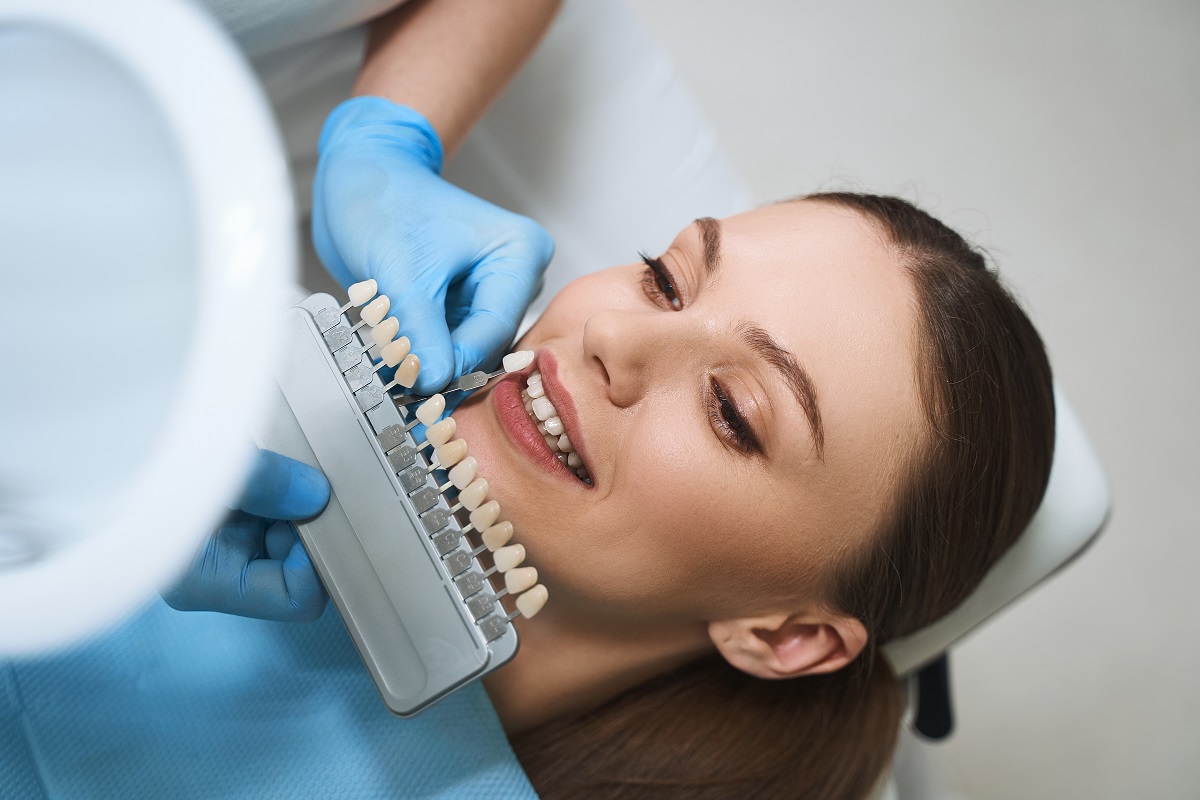
When we prepare a tooth for a veneer, we are creating space so the final restoration does not look bulky or unnatural. This involves reshaping the front surface of the tooth.
In well-planned cases:
- Only minimal enamel is removed
- The underlying tooth remains strong and vital
- The veneer bonds to enamel, which is the most reliable surface in dentistry
In poorly planned cases:
- Excess enamel is removed
- Dentin gets exposed, increasing sensitivity and risk
- The bond strength decreases, affecting longevity
This is why not every patient is an ideal candidate. Teeth that are already compromised, heavily filled, or structurally weak may not respond well to veneers.
The Point Most Patients Miss: Veneers Are Not “Optional” Once Done
One of the biggest misconceptions is that veneers can simply be removed if you change your mind.
They cannot.
Once enamel is reduced, the tooth will always need some form of coverage moving forward. That could be another veneer or, in some cases, a crown if conditions change over time.
This is where honest consultation matters. If you are not comfortable committing to that lifecycle, veneers may not be the right option for you.
When Veneers Work Exceptionally Well
In the right cases, veneers do not damage teeth. They actually protect and enhance them.
We typically recommend veneers when:
- Teeth have enamel defects or discoloration that whitening cannot fix
- There are minor alignment issues that do not require orthodontics
- Patients have worn or chipped front teeth
In these scenarios, veneers act as a controlled, protective layer while improving aesthetics. The key is that the teeth being treated are structurally sound to begin with.
Where Patients Get Into Trouble
From real patient patterns, issues tend to arise when decisions are rushed or based on appearance alone.
Some common mistakes:
- Choosing veneers instead of orthodontic treatment for significant misalignment
- Getting veneers placed in high-volume cosmetic clinics without individualized planning
- Ignoring bite issues that place excessive force on veneers
We have seen patients come in with veneer failure not because veneers are inherently risky, but because underlying functional problems were never addressed.
Midway through consultations for veneers, we often identify bite imbalances or grinding habits that would shorten veneer lifespan if left untreated. Addressing these factors is what separates long-lasting results from repeated replacements.
Do Veneers Increase the Risk of Decay?
This is a frequent concern, and the answer depends on maintenance and fit.
Veneers themselves do not cause decay. However:
- Poor margins (edges of the veneer) can trap plaque
- Inconsistent oral hygiene increases risk around the edges
- Old or failing veneers can create micro-gaps
When veneers are properly placed and maintained, the risk of decay is not higher than natural teeth. In fact, many patients become more consistent with oral care after cosmetic treatment.
Sensitivity, Longevity, and Real Expectations
Some patients experience temporary sensitivity after placement. This usually resolves as the tooth adapts.
Long-term outcomes depend on:
- The amount of enamel preserved
- Bite alignment and grinding habits
- Oral hygiene and regular dental visits
On average, veneers last 10 to 15 years, but we have seen well-maintained cases last longer. The more conservative the preparation, the better the long-term prognosis.
The Bottom Line Most Dentists Don’t Emphasize Enough
Veneers are not harmful by default. They are technique-sensitive and decision-sensitive.
The real question is not:
“Do veneers ruin your teeth?”
It is:
“Are veneers the right solution for your specific teeth?”
That distinction is where most online information falls short.
Considering Veneers? Let’s Make It a Thoughtful Decision
If you are exploring cosmetic options, the most important step is a thorough evaluation. At Johnson and Mahan Dental Care, we focus on understanding your goals, examining your bite, and determining whether veneers are the most conservative and effective solution for you.
If you’re looking for clear, honest answers, visit our dental practice in Florence for a personalized assessment and a treatment plan focused on long-term success, not just short-term aesthetics.
We approach veneers as a long-term commitment, not a quick cosmetic fix. When planned correctly, they do not damage your teeth. They become part of a carefully managed system that supports both function and appearance. Our goal is to guide you toward a decision that protects your natural teeth while achieving the result you want, without unnecessary risk.
Frequently Asked Questions
Why do people say veneers ruin teeth?
This usually comes from cases where too much enamel was removed or where veneers were done without proper planning, leading to complications.
Are veneers safe when done correctly?
Yes. When minimal enamel is preserved and the case is properly selected, veneers are a predictable and safe cosmetic option.
Can veneers fail or cause problems later?
They can if there are bite issues, grinding, or poor oral hygiene. Most failures are preventable with proper planning and follow-up care.
What are the early warning signs of veneer problems?
Sensitivity that does not resolve, gum irritation around the edges, visible gaps, or discoloration near the margins.
Do veneers weaken natural teeth over time?
Not inherently. However, over-preparation or repeated replacements can reduce tooth structure over time.
Is enamel removal always necessary?
In most cases, yes. Minimal-prep or no-prep veneers exist but are only suitable for very specific cases.
What happens if a veneer falls off?
The underlying tooth will need to be restored again, typically with a new veneer or another type of restoration.
Are there safer alternatives to veneers?
Yes. Options like bonding or orthodontics may be better depending on your goals and current tooth condition.